

Amanita muscaria Mushroom Overview
About Amanita muscaria
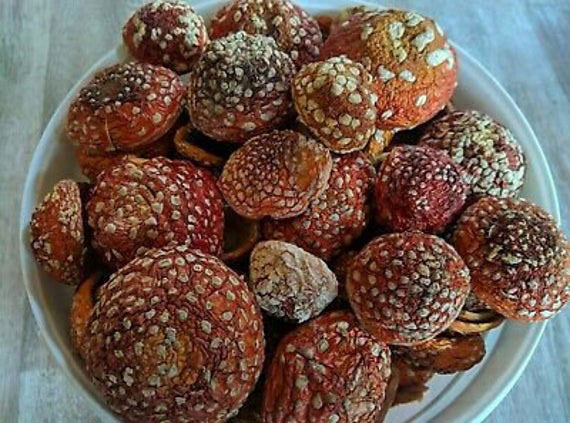
Amanita muscaria, commonly referred to as the fly agaric mushroom, is one of the most recognizable fungi in the world.
Famous for its bright red cap decorated with white wart-like patches, this species has been documented in mycology, folklore, and natural history for centuries. Its striking appearance has made it a frequent subject of scientific study, field guides, artwork, and cultural traditions.
Unlike Psilocybe cubensis, Amanita muscaria belongs to the Amanitaceae family and contains a different chemical composition. As a result, it should not be confused with psilocybin-containing mushroom species.
Scientific Classification
| Classification | Details |
|---|---|
| Kingdom | Fungi |
| Division | Basidiomycota |
| Class | Agaricomycetes |
| Order | Agaricales |
| Family | Amanitaceae |
| Genus | Amanita |
| Species | Amanita muscaria |
Natural Habitat
Amanita muscaria is widely distributed throughout temperate and boreal forests across Europe, Asia, and North America. It commonly forms mycorrhizal relationships with trees such as birch, pine, spruce, fir, and oak, contributing to healthy forest ecosystems through nutrient exchange with tree roots.
The species is most often observed during late summer and autumn, depending on regional climate and environmental conditions.
Identifying Characteristics
The fly agaric is known for several distinctive physical features:
- Bright red to orange-red cap with white wart-like patches
- White gills located beneath the cap
- White stem featuring a skirt-like ring (annulus)
- Bulb-shaped base enclosed by remnants of the universal veil
- White spore print
The cap color may gradually fade to orange or yellow as mature specimens age or weather conditions change.
Historical and Cultural Significance
Throughout history, Amanita muscaria has appeared in folklore, mythology, and traditional artwork across numerous cultures.
It has become an enduring symbol in fairy tales, storybooks, seasonal illustrations, and popular media because of its distinctive appearance.
Its long-standing presence in cultural history continues to make it one of the most recognizable mushroom species worldwide.
Scientific Interest
Researchers continue to study Amanita muscaria to better understand its ecology, taxonomy, and chemistry. The species also plays an important ecological role through its mycorrhizal relationship with forest trees, helping support nutrient cycling and healthy woodland environments.
Modern scientific research continues to expand knowledge about this unique fungus and its role within natural ecosystems.
Amanita muscaria Mushroom FAQ
Is Amanita muscaria the same as Psilocybe cubensis?
No. These are different mushroom species belonging to different genera and families. They also differ in their naturally occurring chemical compounds and biological characteristics.
Where does Amanita muscaria naturally grow?
It is commonly found in forests throughout Europe, Asia, and North America, particularly in association with birch, pine, spruce, fir, and oak trees.
Why does the mushroom have white spots?
The white patches on the cap are remnants of a protective universal veil that surrounds the mushroom during its early stages of development.
Can the appearance vary?
Yes. Environmental conditions, maturity, and weather can influence cap color, size, and the visibility of the white patches.
Safety and Legal Information
Correct identification of wild mushrooms requires careful examination of multiple characteristics and should never rely solely on appearance or photographs, as some mushroom species may resemble one another.
The legal status of Amanita muscaria varies by country and jurisdiction. This overview is intended for educational and informational purposes only and should not be interpreted as medical, legal, or professional advice.
| weight | Oz, 1/4 lb, Hp, Lb |
|---|
Reviews
There are no reviews yet.
Related products

Magic Mushrooms
Magic Mushrooms

Magic Mushrooms
Magic Mushrooms
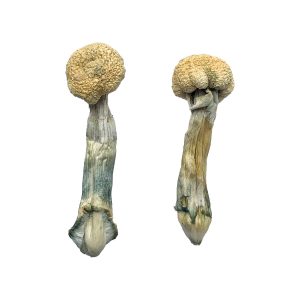
Magic Mushrooms
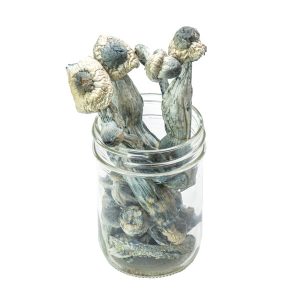
Magic Mushrooms

Magic Mushrooms

Magic Mushrooms
Be the first to review “Amanita Muscaria”