
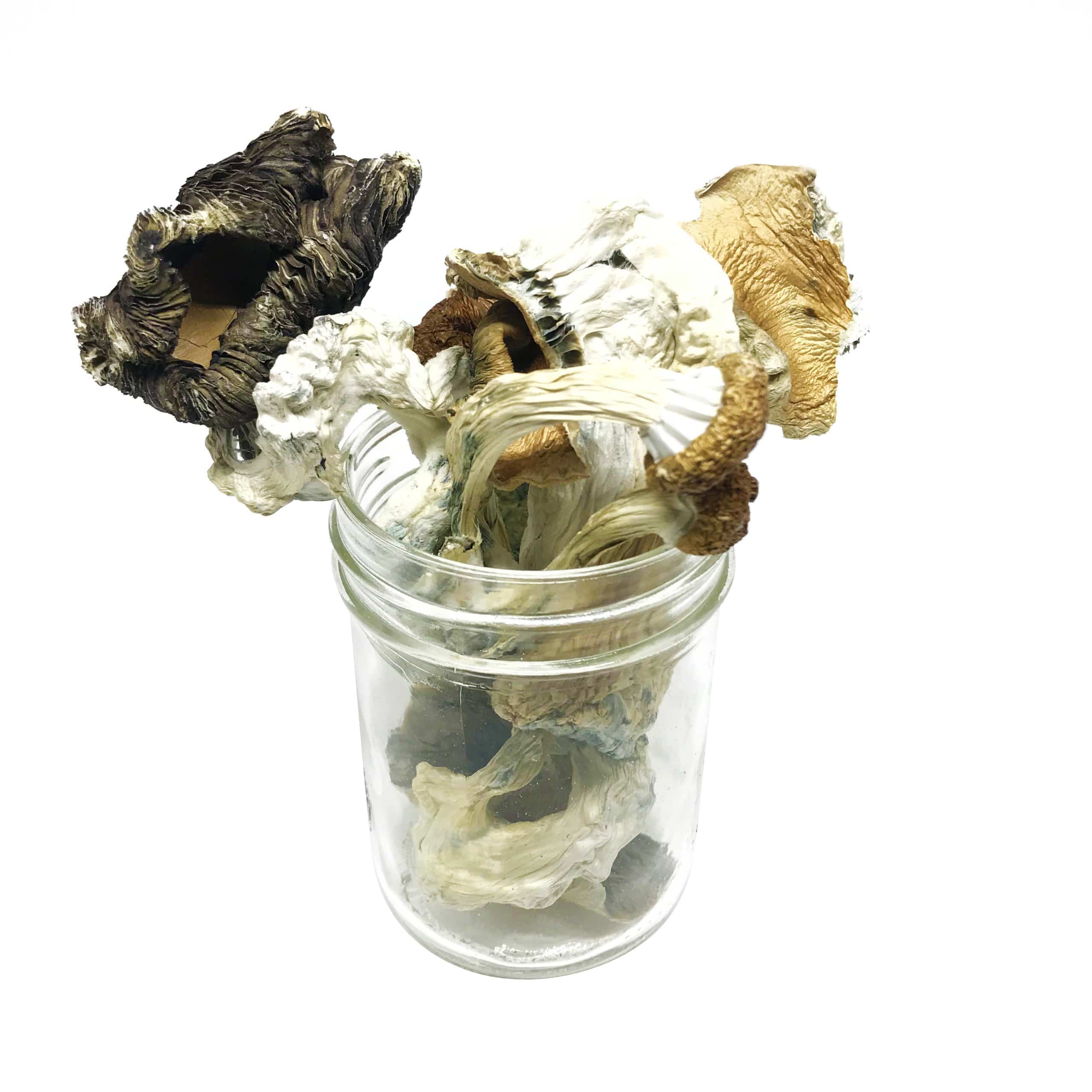

Amazonian (Psilocybe cubensis) Strain Overview
Exploring the Amazonian Shrooms strain
Amazonian is a named variety of Psilocybe cubensis that has been recognized within mycology and cultivation communities for several decades.
The variety is commonly associated with the Amazon rainforest, one of the world’s most biologically diverse ecosystems, where numerous fungal species naturally occur.
Cultivators often describe Amazonian as a vigorous and productive lineage. Like other named Psilocybe cubensis varieties, it represents a cultivated lineage within the species rather than a separate scientific classification.
Historical Background of Amazonian Cubensis Shrooms
Historical cultivation records suggest that the Amazonian variety was introduced to cultivation more than forty years ago after mushroom specimens associated with the Amazon region were documented and preserved.
Since then, it has become one of the better-known named varieties discussed in mycology communities.
Although the precise lineage is not comprehensively documented in scientific literature, the variety continues to be referenced in educational and cultivation resources focused on Psilocybe cubensis.
Taxonomic Classification
| Classification | Description |
|---|---|
| Kingdom | Fungi |
| Division | Basidiomycota |
| Class | Agaricomycetes |
| Order | Agaricales |
| Family | Hymenogastraceae |
| Genus | Psilocybe |
| Species | Psilocybe cubensis |
| Variety | Amazonian |
Distinctive Morphology
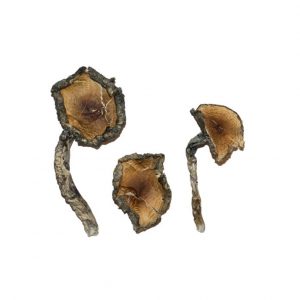
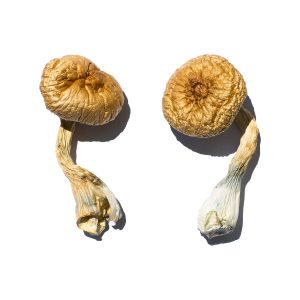
The Amazonian Magic Mushrooms strain displays several recognizable physical characteristics that distinguish it within cultivation communities.
Our Amazonian cubensis shrooms features include:
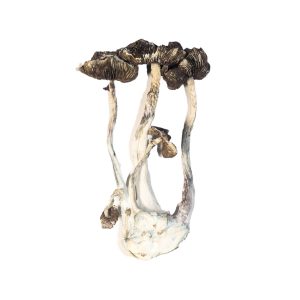
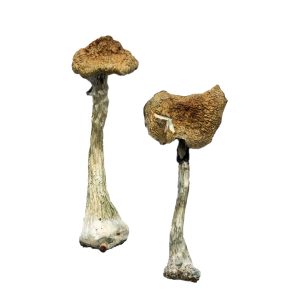
- Thick, well-developed stems
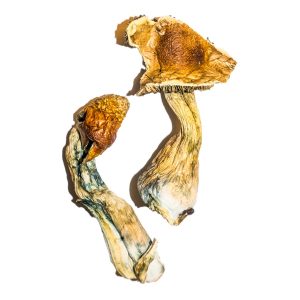
- Caps ranging from golden to orange-brown as they mature
- A noticeable central umbo (often described as a nipple-like prominence)
- Dark purplish-brown spore prints typical of Psilocybe cubensis
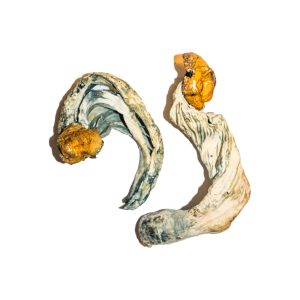
- Bluish bruising after handling or physical damage, a characteristic commonly observed in many Psilocybe species
Some cultivation reports also describe mature specimens developing substantial fruiting bodies under suitable growing conditions, although size can vary depending on environmental factors.
A Closer Look at Its Structure
Mycology enthusiasts often note the Amazonian variety for its robust overall structure. Mature fruiting bodies are reported to develop broad caps supported by sturdy stems, with morphology influenced by substrate, humidity, temperature, and other cultivation conditions.
As with all cultivated fungi, no two specimens are exactly alike, and natural variation should be expected.
Scientific Perspective
Psilocybe cubensis remains one of the most extensively studied mushroom species because it naturally contains the compounds psilocybin and psilocin.
Contemporary scientific research investigates these compounds under carefully controlled conditions to better understand their effects on the brain and human cognition.
Most published studies examine the species as a whole rather than individual cultivated varieties such as Amazonian.
Questions Readers Often Ask
Is Amazonian a separate mushroom species?
No. Amazonian is a named variety within the species Psilocybe cubensis.
Why is it called Amazonian?
The variety is historically associated with mushroom specimens originating from the Amazon region, which inspired its common name.
What does the central umbo refer to?
The umbo is the small raised area that may appear in the center of a mushroom cap. It is one of several observable characteristics used in describing mushroom morphology.
Can environmental conditions affect appearance?
Yes. Temperature, humidity, substrate composition, and growing conditions can all influence the size, coloration, and overall morphology of individual specimens.
Preservation and Legal Information
For lawful educational, research, or collection purposes, preserved mushroom specimens should be stored in a cool, dry location away from moisture, excessive heat, and direct sunlight.
The legal status of Psilocybe cubensis varies across countries and jurisdictions. This guide is provided solely for educational purposes and should not be interpreted as medical, legal, or professional advice.
| weight | Oz, 1/4 lb, Hp, Lb |
|---|
Reviews
There are no reviews yet.
Related products
Magic Mushrooms
Magic Mushrooms
Magic Mushrooms
Magic Mushrooms
Magic Mushrooms
Magic Mushrooms
Magic Mushrooms
Magic Mushrooms
Be the first to review “Amazonian Cubensis”