
MDMA Crystals Explained
What Are MDMA Crystals?
MDMA crystals refer to the crystalline form of 3,4-methylenedioxymethamphetamine (MDMA), a synthetic compound that acts as both a stimulant and a psychoactive substance.
The compound has been studied for its effects on the central nervous system and its interactions with neurotransmitters involved in mood, perception, and social behavior.
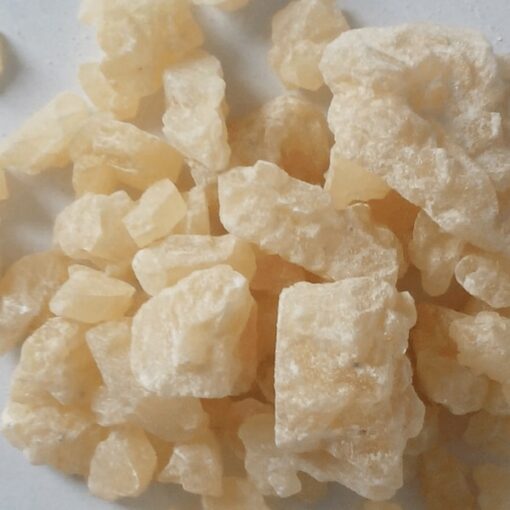
In its crystalline form, MDMA may appear as colorless, white, or off-white crystals, although appearance alone cannot determine identity, purity, or composition. Laboratory testing is required to accurately identify any sample.
What Is MDMA?
MDMA is a synthetic chemical first synthesized in the early 20th century. It belongs to the substituted phenethylamine and amphetamine classes of compounds. Researchers have studied MDMA because it influences serotonin, dopamine, and norepinephrine systems in the brain.
The compound has been associated with increased energy, changes in sensory perception, altered perception of time, and enhanced feelings of emotional closeness or empathy. For this reason, it is sometimes described as an entactogen, a term used to describe substances that may increase feelings of emotional openness and interpersonal connection.
The duration of MDMA’s effects can vary depending on several factors, including dose, individual physiology, and route of administration, but the primary effects typically last several hours.
MDMA and Ecstasy
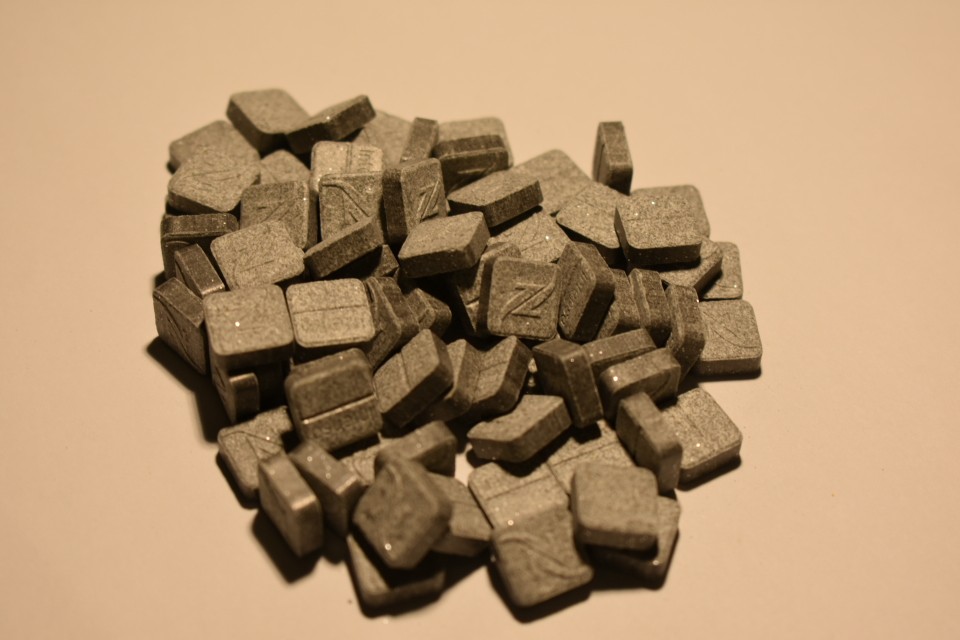
The terms MDMA and Ecstasy are often used interchangeably, although they are not always the same. Ecstasy commonly refers to tablets or capsules sold as containing MDMA. Analytical testing has shown that some products marketed as Ecstasy may also contain other substances or mixtures of compounds, making their composition unpredictable.
The term Molly originally referred to what was believed to be a purer crystalline or powdered form of MDMA. However, laboratory analyses have found that products sold as Molly may also contain other synthetic substances or adulterants rather than pure MDMA.
Scientific and Medical Research
MDMA has become the subject of regulated scientific and clinical research investigating its pharmacology and potential therapeutic applications under carefully controlled medical settings. Researchers continue to evaluate both its potential benefits and associated risks.
Physical Characteristics
MDMA crystals may vary in crystal size, texture, and color depending on manufacturing methods and impurities. These physical characteristics should not be used to determine authenticity or purity, as only laboratory analysis can accurately identify the compound.
Safety Considerations
MDMA can produce significant physiological and psychological effects and may carry health risks. Products obtained from unregulated sources may contain unexpected substances or contaminants, increasing the risk of adverse effects. Scientific and public health organizations emphasize that laboratory testing is the only reliable method for determining the composition of a substance.
Legal Status
The legal status of MDMA differs across countries and jurisdictions. In many regions, MDMA is classified as a controlled substance, and its manufacture, possession, distribution, or non-authorized use is prohibited by law. Anyone seeking information about MDMA should consult the laws applicable in their jurisdiction.
Disclaimer
This page is provided for educational and informational purposes only. It does not encourage, promote, or facilitate the purchase, sale, manufacture, possession, or use of controlled substances. Readers should always comply with applicable local, national, and international laws.
| quantity | 10grams, 15grams, 20grams, 25grams, 30grams, 35grams, 40grams |
|---|
Reviews
There are no reviews yet.
Related products



Be the first to review “Mdma Crystal”