
Ketamine Explained: Uses, Chemistry & Research Overview
What Is Ketamine?
Ketamine is a synthetic compound classified as a dissociative anesthetic. It has been used in medical and veterinary settings for decades due to its anesthetic and pain-relieving properties. Ketamine works primarily by affecting the brain’s NMDA receptors, which are involved in communication between nerve cells.
Unlike traditional psychedelic substances, dissociative compounds are associated with changes in perception, awareness, and a sense of separation from one’s surroundings or body.
Forms of Ketamine
Ketamine exists in different pharmaceutical forms, including:
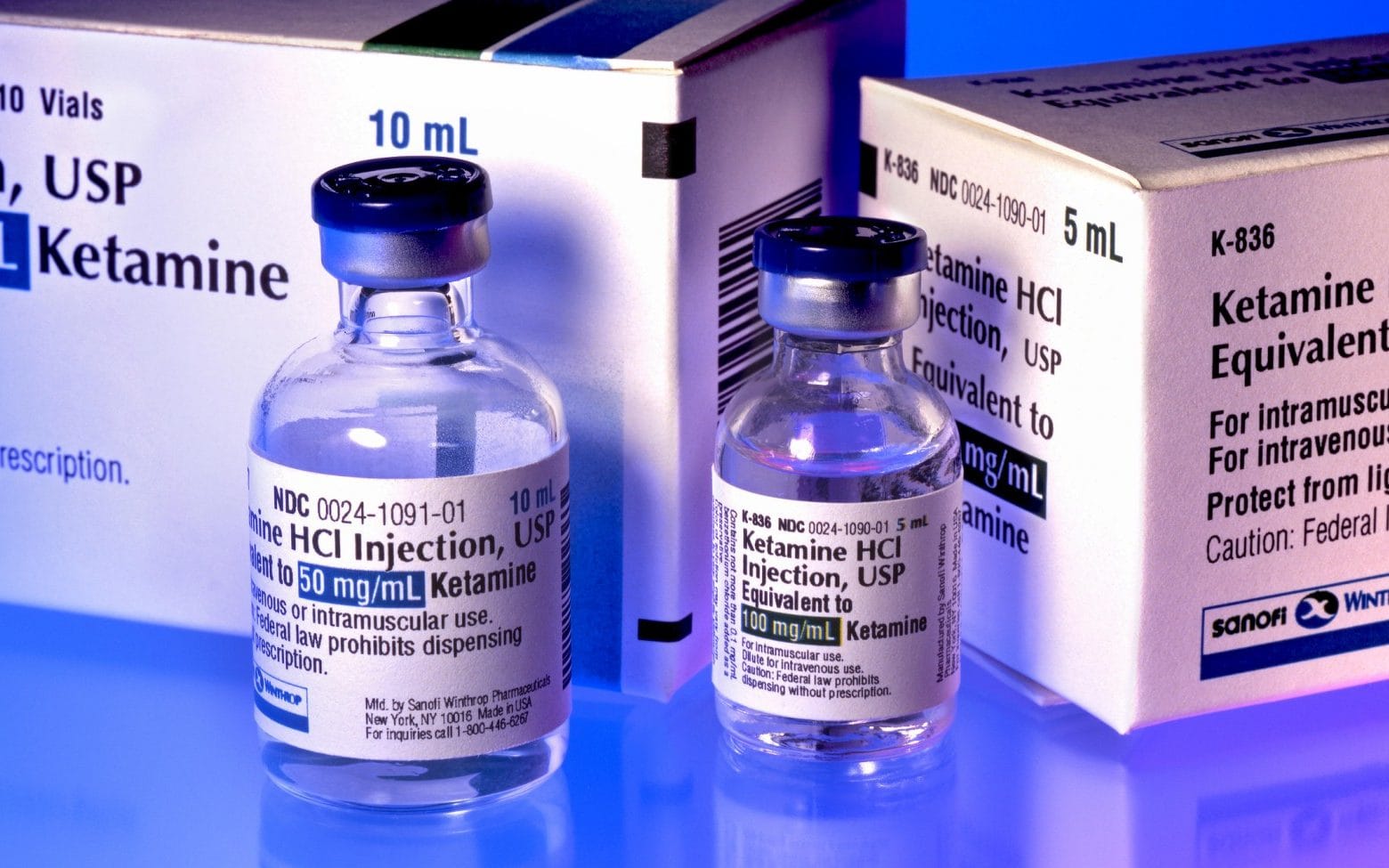
- Ketamine hydrochloride solution — a liquid preparation used in approved medical settings.
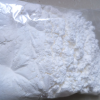
- Ketamine crystals or powder — a chemical form that may be studied in laboratory contexts but is not intended for non-medical use.
The appearance of a substance cannot confirm its identity or purity. Laboratory analysis is required for accurate chemical identification.
Medical Applications
Ketamine is primarily recognized as a short-acting anesthetic used in controlled medical environments. Healthcare professionals may use it for procedures requiring anesthesia and for certain pain management applications.
In recent years, ketamine has also been researched for potential applications in mental health treatment, including certain forms of depression, under strict medical supervision and regulated protocols.
How Ketamine Affects the Brain
Ketamine belongs to the class of substances known as dissociatives. These compounds can alter perception and create feelings of detachment from physical sensations, emotions, or surroundings.
Research suggests ketamine’s effects are linked to its interaction with glutamate pathways in the brain, particularly through NMDA receptor activity. These mechanisms continue to be studied in neuroscience and psychiatry.
Effects and Experiences
The effects of ketamine can vary depending on factors such as individual physiology, medical context, and amount administered. Reported effects may include:
- Changes in perception
- Dream-like sensations
- Feelings of detachment
- Altered awareness
- Reduced sensation of pain
- Impaired coordination and movement
Some individuals may experience confusion, memory difficulties, or difficulty distinguishing perceptions from reality.
Potential Risks and Side Effects
Ketamine use can involve risks, especially outside medical supervision. Possible side effects may include:
- Increased blood pressure
- Nausea or vomiting
- Impaired coordination
- Memory difficulties
- Confusion
- Changes in mood or behavior
- Breathing complications in some situations
Medical professionals evaluate individual health conditions and potential risks before administering ketamine.
Research and Ongoing Studies
Ketamine continues to be studied in areas including anesthesia, pain management, neuroscience, and mental health research. Scientists are investigating how ketamine affects brain pathways and why it may produce certain therapeutic effects under controlled medical conditions.
Legal Considerations
The legal status of ketamine varies depending on the country and jurisdiction. In many places, ketamine is a controlled medication that can only be used or administered by authorized healthcare professionals.
Disclaimer
This content is provided for educational and informational purposes only. It is not intended to encourage, promote, or facilitate the purchase, sale, possession, or non-medical use of ketamine or any controlled substance. Always follow applicable laws and seek guidance from qualified healthcare professionals.
| Quantity: | 5 vials 200mg, 5vials 500mg, 10 vials 200mg, 10 vials 500mg, 15 vials 200mg, 15vials 500mg, 20 vials 200mg, 20 vials 500mg |
|---|
Reviews
There are no reviews yet.
Related products
Ketamine
Be the first to review “Ketamine Liquid”