
Uncategorized
Shrooms Delivery: Safe Access & Legal Considerations

Sep
The landscape of psilocybin access has undergone dramatic transformation in recent years, with shrooms delivery emerging as a vital component of broader psychedelic reform movements. As jurisdictions worldwide reassess their approach to psilocybin-containing mushrooms, understanding the mechanisms, legalities, and best practices surrounding delivery systems becomes essential for both consumers and providers. This article examines the multifaceted world of shrooms delivery, from regulatory frameworks and safety protocols to harm reduction strategies and therapeutic applications, providing a comprehensive guide for those navigating this evolving space in 2026.
Legal Frameworks Governing Psilocybin Access
The legal status of shrooms delivery varies dramatically across jurisdictions, creating a complex patchwork of regulations that providers and consumers must navigate carefully. At the federal level in the United States, psilocybin remains a Schedule I controlled substance, making interstate shrooms delivery federally prohibited and subject to enforcement by agencies including the Postal Inspection Service, which actively works on combating illicit drugs in the mail.
State and Municipal Reform Initiatives
Several states and cities have pioneered regulatory frameworks that permit various forms of psilocybin access. Oregon stands at the forefront with its comprehensive Psilocybin Services program, which established detailed administrative rules governing manufacture, testing, and administration of psilocybin products. While Oregon's framework focuses on licensed service centers rather than direct-to-consumer delivery, it provides a regulatory blueprint that other jurisdictions are studying.
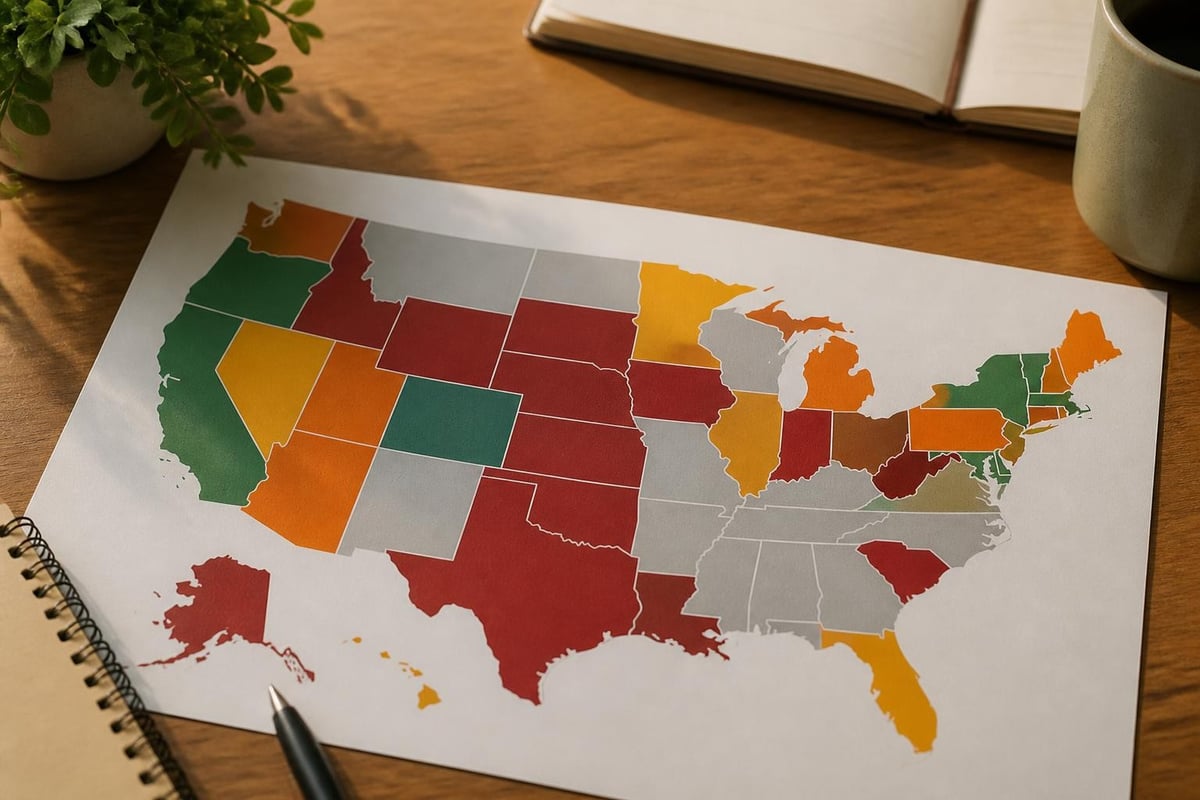
Colorado has implemented its own Natural Medicine Health Act, creating pathways for healing centers and licensed facilitators. Cities including Denver, Oakland, Santa Cruz, Seattle, and Washington D.C. have decriminalized psilocybin possession, though this decriminalization does not explicitly authorize commercial shrooms delivery operations.
Key regulatory considerations include:
- Licensing requirements for cultivation and distribution
- Product testing and quality control standards
- Age verification and consumer screening protocols
- Packaging and labeling mandates
- Tracking and inventory management systems
- Geographic service area restrictions
International Perspectives
Canada has granted exemptions for therapeutic psilocybin use in specific cases, while the Netherlands tolerates psilocybin truffles through a legal loophole. Jamaica and several other Caribbean nations have no prohibition on psilocybin mushrooms, creating nascent retreat and delivery industries. These international models demonstrate various approaches to balancing access with public health concerns.
Safety Protocols and Quality Assurance
Responsible shrooms delivery operations prioritize consumer safety through rigorous quality control measures and transparent practices. The absence of federal oversight in many markets makes self-regulation and industry standards critical for protecting consumers from contaminated, mislabeled, or otherwise problematic products.
Testing and Verification Standards
Professional shrooms delivery services implement comprehensive testing protocols to ensure product safety and potency. Third-party laboratory analysis should verify:
| Test Category | Purpose | Acceptable Range |
|---|---|---|
| Potency Analysis | Determine psilocybin/psilocin content | Clearly labeled mg per gram |
| Microbial Screening | Detect harmful bacteria, mold, yeast | Below safety thresholds |
| Heavy Metals | Identify toxic contamination | Non-detectable or minimal |
| Pesticides | Ensure clean cultivation | None detected |
Certificates of analysis should accompany products, providing transparency about what consumers are receiving. This testing infrastructure protects against the significant health risks associated with contaminated mushrooms, including dangerous molds that can produce mycotoxins.
Packaging and Handling Best Practices
Proper packaging serves multiple functions in shrooms delivery: maintaining product integrity, ensuring discretion, and providing essential consumer information. Professional-grade packaging includes:
- Moisture-barrier materials to prevent degradation
- Child-resistant closures meeting safety standards
- Clear labeling with species, potency, weight, and batch information
- Storage instructions and expiration dates
- Harm reduction information and dosing guidelines
Temperature control during transit is essential, as excessive heat can degrade psilocybin content. Many premium delivery services use insulated packaging or cold packs during warm weather to maintain product quality.
Harm Reduction and Consumer Education
The most responsible shrooms delivery operations go beyond simply providing products, embracing a harm reduction philosophy that prioritizes consumer safety, education, and informed decision-making. According to research on minimizing risk and harm in psychedelic use, comprehensive safety protocols significantly reduce adverse outcomes.

Pre-Delivery Screening and Consultation
Ethical providers implement screening processes to identify contraindications and ensure consumers understand what they're receiving. This may include:
- Medical history review to flag potential drug interactions or pre-existing conditions that increase risk
- Mental health screening to identify vulnerable individuals who may require additional support or should avoid psychedelics
- Experience assessment to provide appropriate dosing recommendations
- Intention clarification to help consumers approach their experience mindfully
- Resource provision including integration services and crisis support contacts
While shrooms delivery cannot replicate the supervised setting of clinical trials, thoughtful screening helps minimize preventable risks.
Educational Resources and Dosing Guidance
Comprehensive consumer education distinguishes professional shrooms delivery services from irresponsible operations. Essential educational components include:
- Species identification and characteristics explaining differences between varieties
- Dosing scales from microdoses (0.1-0.3g) to heroic doses (5g+) with expected effects
- Set and setting principles emphasizing the importance of mindset and environment
- Duration and timeline preparing consumers for onset, peak, and integration periods
- Potential risks and contraindications including medication interactions and psychological vulnerabilities
The National Center for Complementary and Integrative Health provides evidence-based information that reputable providers often share with consumers to ensure informed consent.
Therapeutic Applications and Clinical Research
The renaissance in psilocybin research has revealed promising therapeutic applications that are driving both scientific interest and consumer demand for shrooms delivery services. Understanding these applications helps contextualize the role delivery services play in broader mental health care.
Evidence-Based Therapeutic Uses
Clinical trials have demonstrated psilocybin's efficacy for several conditions. For individuals exploring magic mushrooms for therapeutic purposes, research has shown particular promise in treating major depressive disorder, treatment-resistant depression, and existential anxiety in terminally ill patients, with studies reporting sustained improvements in mood and quality of life following carefully structured sessions.
Conditions with robust research support:
- Treatment-resistant depression (breakthrough therapy designation from FDA)
- Major depressive disorder with moderate to severe symptoms
- End-of-life anxiety and existential distress in cancer patients
- Obsessive-compulsive disorder (preliminary evidence)
- Substance use disorders including alcohol and tobacco dependence
- Cluster headaches (anecdotal and preliminary research)
The Clinical vs. Self-Directed Paradigm
While most research occurs in supervised clinical settings, the reality of shrooms delivery reflects a predominantly self-directed use model. This gap between clinical protocols and consumer practice creates both challenges and opportunities:
| Clinical Setting | Self-Directed Use |
|---|---|
| Medical screening and monitoring | Consumer self-assessment |
| Trained facilitator support | Solo or peer companionship |
| Controlled dosing protocols | Variable consumer dosing |
| Structured integration therapy | Independent integration work |
| Emergency medical access | Reliance on crisis resources |
Responsible shrooms delivery services attempt to bridge this gap by providing clinical-quality information, screening tools, and integration resources that help consumers approximate best practices from research settings.
Operational Models and Logistics
The mechanics of shrooms delivery vary considerably based on legal frameworks, market maturity, and business models. Understanding these operational realities provides insight into how access actually functions in practice.
Delivery Methods and Technologies
Different operational models serve different market needs and regulatory contexts:
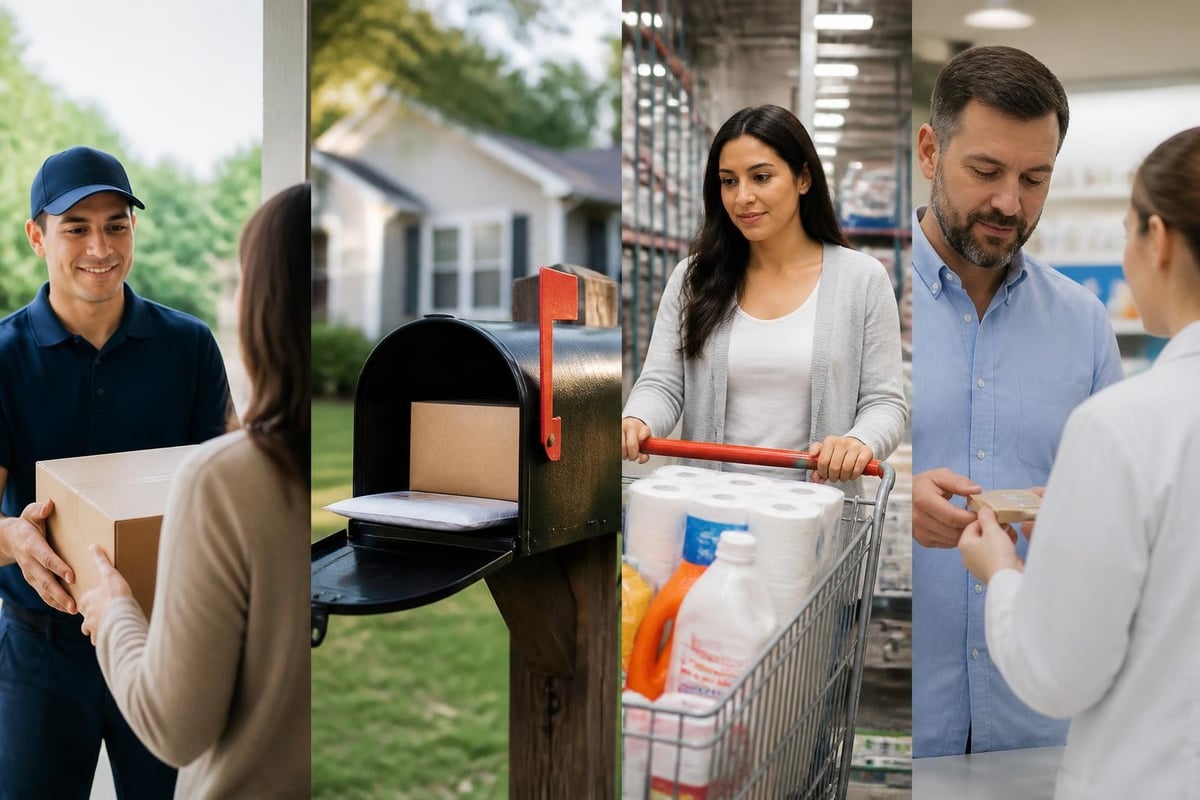
Direct courier delivery mirrors food delivery apps, with drivers transporting products from a central facility to consumers within a defined service area. This model allows for rapid delivery, personal interaction, and age verification but requires significant operational infrastructure.
Mail-order services utilize postal or private carrier systems to reach broader geographic areas. However, federal restrictions create legal risks, as USPS regulations explicitly prohibit mailing controlled substances. Private carriers maintain similar policies.
Membership-based models require consumers to join a private organization or club, creating a quasi-legal framework in some jurisdictions by emphasizing sharing rather than commercial sale.
Integration with licensed facilities in regulated markets connects delivery to licensed service centers, ensuring compliance with therapeutic frameworks while providing convenient access.
Technology Infrastructure
Modern shrooms delivery operations leverage technology platforms that facilitate:
- Age and identity verification using document scanning and database checks
- Inventory management with batch tracking and expiration monitoring
- Secure payment processing compliant with banking regulations
- Educational content delivery through integrated learning modules
- Customer support including dosing consultations and integration resources
- Compliance documentation maintaining records required by regulations
Advanced platforms incorporate harm reduction features like mandatory waiting periods between orders, dosing calculators, and automated screening questionnaires.
Consumer Considerations and Best Practices
For individuals considering shrooms delivery, making informed choices requires understanding both the selection criteria for providers and the personal preparation essential for safe, meaningful experiences.
Evaluating Delivery Service Quality
Not all shrooms delivery operations maintain equivalent standards. Discerning consumers should assess:
- Testing transparency with readily available certificates of analysis
- Educational resources demonstrating commitment to informed use
- Responsive customer support for questions and concerns
- Clear product information including species, potency, and sourcing
- Realistic pricing that reflects quality standards rather than basement operations
- Privacy practices protecting consumer data and delivery discretion
- Harm reduction orientation beyond mere transactional relationships
Reviews, community reputation, and longevity in the market provide additional quality signals, though consumers should recognize that even established operations exist in legal gray areas in many jurisdictions.
Personal Preparation and Risk Mitigation
Responsible consumption begins before shrooms delivery arrives. Essential preparation steps include:
Medical review: Assess medication interactions, particularly with SSRIs, MAOIs, and other psychiatric medications. Certain combinations can be dangerous or reduce effectiveness.
Mental health screening: Individuals with personal or family history of psychosis, schizophrenia, or bipolar disorder face elevated risks and should consult mental health professionals.
Set and setting optimization: Plan experiences for times of relative stability, in safe environments with trusted companions if desired.
Integration planning: Consider how insights will be processed afterward, whether through journaling, therapy, or community support.
Dosing conservatively: Start with lower doses than anticipated, especially with new varieties or sources, as potency varies significantly.
Future Trajectories and Market Evolution
The shrooms delivery landscape continues evolving rapidly as legal frameworks mature, research advances, and consumer demand grows. Several trends are shaping the future of this industry.
Regulatory Maturation
We anticipate increasing regulatory clarity as more jurisdictions implement frameworks inspired by Oregon's model or develop novel approaches. This maturation will likely bring:
- Standardized licensing requirements for cultivation, testing, and distribution
- Clear guidelines distinguishing therapeutic, religious, and personal use contexts
- Banking and insurance access for compliant operations
- Professional training and certification programs for facilitators and educators
- Integration with existing healthcare and mental wellness systems
Market Professionalization
As legal risks decrease and market opportunities clarify, shrooms delivery will likely mirror the trajectory of legal cannabis markets, with increasing professionalization, consolidation, and product diversification. Expect emergence of:
- Branded product lines with consistent formulations
- Specialized products for specific intentions (microdosing, therapeutic, spiritual)
- Ancillary services including coaching, integration therapy, and retreat experiences
- Technology platforms creating comprehensive ecosystems around psychedelic wellness
- Research partnerships contributing to evidence-based product development
Public Health Integration
The ultimate trajectory may involve integration of shrooms delivery into broader public health frameworks, particularly for mental health care. Models might include:
| Integration Level | Description | Timeline Estimate |
|---|---|---|
| Prescription access | Medical authorization required | 3-5 years in select states |
| Pharmacy dispensing | Distribution through regulated pharmacies | 5-8 years pending federal reform |
| Clinical integration | Coordination with mental health providers | Already emerging in Oregon |
| Insurance coverage | Reimbursement for therapeutic use | 8-10+ years |
These developments depend heavily on continued research validation, federal policy reform, and demonstrated safety records in existing legal markets.
Quality Control and Product Diversity
The maturation of shrooms delivery has brought increasing product sophistication and quality standards that benefit consumers seeking reliable, consistent experiences.
Product Formats and Preparations
Beyond traditional dried mushrooms, contemporary shrooms delivery services offer diverse product formats:
Dried whole mushrooms remain the standard, preserved through careful drying that maintains potency while enabling long-term storage. Different strains offer varying potency levels and experiential characteristics.
Capsules and measured doses provide precise dosing for microdosing protocols or those seeking consistent therapeutic doses without the taste and texture of whole mushrooms.
Infused products including chocolates, gummies, and teas offer alternative consumption methods, though consumers should verify that processing hasn't degraded active compounds.
Grow kits enable consumers to cultivate their own mushrooms, shifting the delivery from final product to cultivation materials and education.
Strain Selection and Characteristics
Different psilocybin mushroom strains offer varying potency levels and alkaloid profiles. Knowledgeable shrooms delivery services provide detailed strain information:
- Penis Envy varieties: Notably high potency requiring dose adjustment
- Golden Teachers: Moderate potency, considered beginner-friendly
- Blue Meanies: Strong visual effects, higher intensity
- Albino strains: Unique alkaloid profiles with distinctive experiences
Understanding these differences enables consumers to make informed selections aligned with their intentions and experience levels.
Navigating the evolving landscape of shrooms delivery requires attention to legal frameworks, quality standards, and harm reduction principles that prioritize safety and intentionality. As research continues demonstrating psilocybin's therapeutic potential and regulatory clarity increases, access pathways will continue expanding and professionalizing. For those seeking premium quality, comprehensive education, and a harm-reduction approach to psilocybin access, Toms Psychedelic Delivery offers carefully curated products and resources designed for mindful exploration and personal growth.
