
Uncategorized
Real Mushroom: Authenticity in Psychedelic Products

Sep
The psychedelic renaissance has brought unprecedented attention to psilocybin mushrooms, functional fungi, and medicinal mushroom supplements. Yet this surge in popularity has created a crowded marketplace where product quality varies dramatically. Understanding what constitutes a real mushroom product versus an adulterated or misrepresented alternative is essential for anyone seeking therapeutic benefits, personal growth, or safe psychedelic experiences. The difference between authentic mushroom material and substandard alternatives can determine not only the efficacy of your experience but also your safety and the legitimacy of the scientific claims behind these powerful natural compounds.
The Authenticity Crisis in Mushroom Products
The mushroom supplement and psychedelic market faces a serious credibility problem. Independent laboratory testing consistently reveals that many commercial products contain little to no actual mushroom material, instead relying on mycelium grown on grain substrates with significant filler content.
Common adulterations include:
- Grain-based mycelium products marketed as "mushroom" supplements
- Synthetic analogs replacing natural psilocybin compounds
- Species misidentification or intentional substitution
- Undisclosed additives and binding agents
- Inaccurate potency labeling on psychedelic products
A comprehensive study published in Scientific Reports examined Ganoderma (reishi) supplements and found widespread label inconsistencies, with many products failing chemical authenticity testing. This research underscores a troubling pattern across the broader mushroom industry, where consumers often receive products that bear little resemblance to their marketed claims.
The real mushroom distinction matters profoundly because the therapeutic compounds reside primarily in the fruiting body of the mushroom, not in mycelium or substrate material. When you purchase a product claiming to contain functional or psychedelic mushrooms, you deserve confirmation that you're receiving the actual organism that contains the bioactive compounds responsible for documented effects.
Why Fruiting Bodies Matter
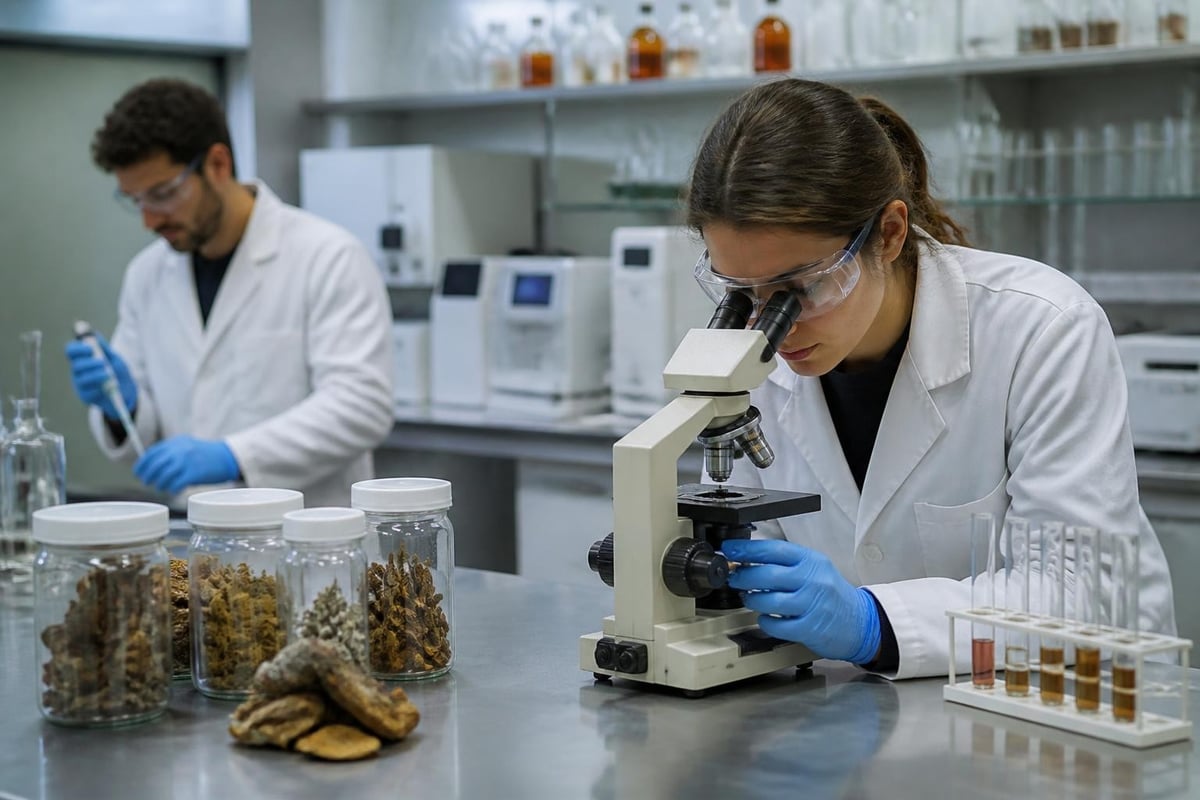
The fruiting body represents the mature, reproductive structure of the fungus and contains the highest concentrations of therapeutic compounds. In psilocybin species, this is where psilocybin and psilocin accumulate. In functional mushrooms like Cordyceps or Lion's Mane, the fruiting body houses the polysaccharides, beta-glucans, and proteins responsible for immune modulation.
Mycelium-based products grown on grain often contain as much as 60-70% grain starch by weight. While mycelium does contain some beneficial compounds, the concentration is substantially lower than fruiting bodies, and the presence of grain substrate dilutes the active ingredients significantly. A real mushroom product should specify fruiting body content and provide third-party verification of its composition.
Scientific Markers of Real Mushroom Quality
Verifying authentic mushroom products requires understanding the specific bioactive compounds that define quality. Different mushroom species contain distinct chemical signatures that laboratory testing can identify and quantify.
Psilocybin Content and Testing
For psychedelic mushrooms, psilocybin percentage serves as the primary quality marker. Real mushroom specimens of Psilocybe cubensis typically contain between 0.5% and 1.2% psilocybin by dry weight, though potency varies by strain and growing conditions.
| Verification Method | What It Confirms | Industry Standard |
|---|---|---|
| HPLC Analysis | Psilocybin/psilocin content | ±0.1% accuracy |
| DNA Barcoding | Species identification | 99%+ match required |
| Microscopy | Cellular structure verification | Visual confirmation |
| Heavy Metal Testing | Contamination screening | Below FDA limits |
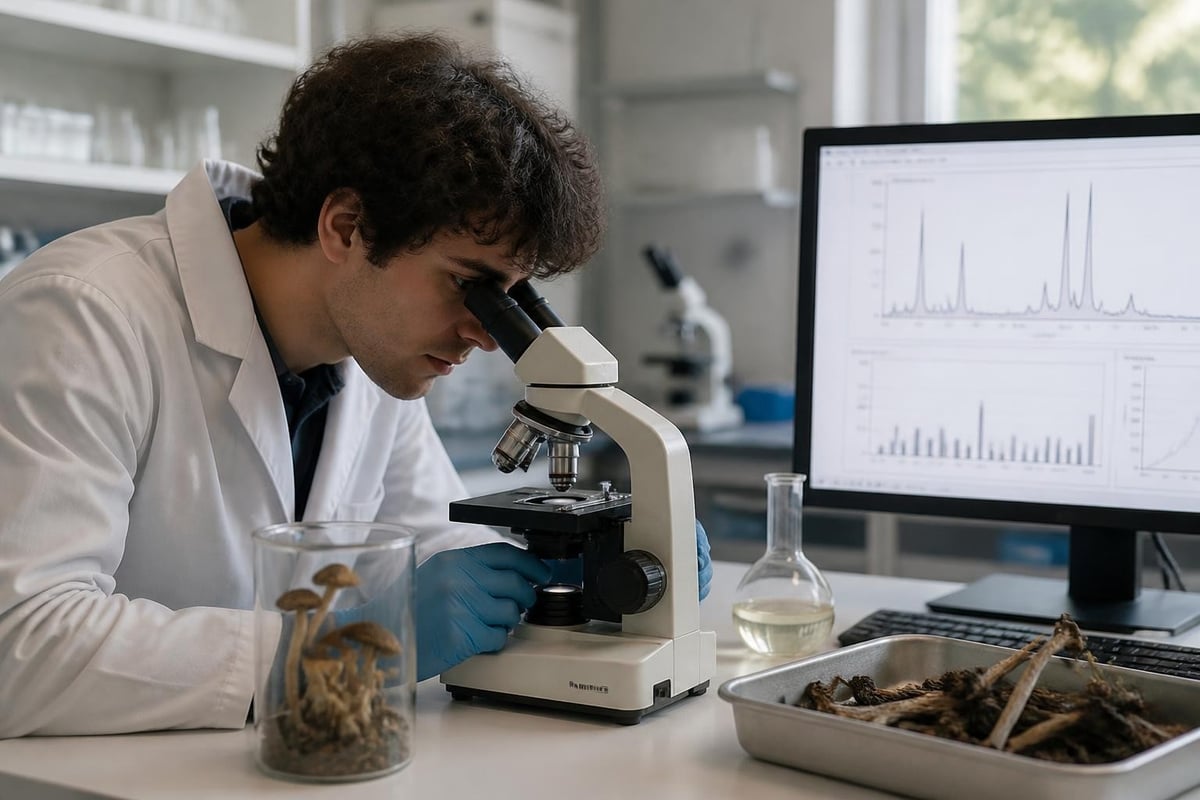
Professional cultivators and suppliers use High-Performance Liquid Chromatography (HPLC) to measure exact psilocybin concentrations. This testing method separates and quantifies individual compounds, confirming both potency and purity. Without this verification, consumers cannot know whether their product contains the expected psychedelic compounds or if those compounds exist in therapeutic concentrations.
Polysaccharide and Beta-Glucan Content
For functional mushrooms, polysaccharide and beta-glucan content indicates quality. Research published in 2024 reviewing mushroom-derived polysaccharides demonstrates that these compounds drive anti-inflammatory and immunomodulatory effects. Real mushroom extracts should contain at least 20-30% polysaccharides, with beta-glucan content specifically measured.
The challenge is that starch from grain substrates can be chemically measured as polysaccharides, artificially inflating quality metrics. Advanced testing protocols now distinguish mushroom-derived polysaccharides from grain starches by examining specific structural characteristics and performing alpha-glucan testing to identify grain contamination.
Cultivation Practices and Product Integrity
The methods used to grow mushrooms directly impact the final product's authenticity and potency. Understanding cultivation fundamentals helps consumers recognize quality producers who prioritize real mushroom material over cost-cutting shortcuts.
Substrate Selection and Its Impact
Professional mushroom cultivation follows established procedures developed by institutions like Penn State Extension, which outline proper substrate preparation, environmental controls, and harvesting protocols. The substrate choice influences both yield and compound concentration.
Key cultivation factors affecting quality:
- Substrate composition determines nutrient availability and compound synthesis
- Temperature and humidity control optimize fruiting body development
- Light exposure triggers proper morphological development
- Air exchange rates prevent contamination and ensure healthy growth
- Harvest timing captures peak potency before degradation begins
For psilocybin mushrooms, cultivators carefully balance these variables to maximize alkaloid production. Real mushroom products sourced from controlled cultivation environments offer consistency that wild-harvested specimens cannot match, while also eliminating the risk of misidentification or environmental contamination.
Extraction Methods and Concentration
Beyond whole dried mushrooms, many products undergo extraction to concentrate active compounds. The extraction method profoundly affects what ends up in the final product. Hot water extraction efficiently captures polysaccharides from functional mushrooms, while alcohol extraction better preserves certain triterpenes and other compounds.
For a product to claim "real mushroom extract," it should clearly state the extraction ratio, solvent used, and resulting compound concentrations. A 10:1 extract means ten pounds of mushroom material concentrated into one pound of extract, theoretically multiplying the active compound density tenfold. However, without third-party verification, these ratios remain marketing claims rather than guaranteed specifications.
Regulatory Landscape and Quality Assurance
The regulatory environment surrounding mushroom products varies dramatically between functional supplements and psychedelic mushrooms. This fragmented oversight creates opportunities for both legitimate businesses and unscrupulous operators.
Supplement Industry Standards
Functional mushroom supplements fall under FDA dietary supplement regulations, which do not require pre-market approval but do mandate accurate labeling and good manufacturing practices. Unfortunately, enforcement remains inconsistent, allowing substandard products to reach consumers.
Third-party certification programs provide additional verification:
- USDA Organic confirms cultivation practices but not compound potency
- NSF International certifies manufacturing quality and label accuracy
- USP Verified validates ingredient identity and purity
- ISO 9001 ensures quality management systems
A real mushroom product committed to quality will typically carry multiple certifications and make laboratory test results publicly available. Research examining Cordyceps product authentication reveals widespread species falsification and adulteration, demonstrating why independent verification matters.
Psychedelic Mushroom Quality in Emerging Markets
As jurisdictions decriminalize or medicalize psilocybin, quality standards are developing. Clinical observations note rising psilocybin use across the United States, creating urgent need for product standardization and safety protocols.
Oregon's regulated psilocybin service model requires testing for potency, pesticides, and contaminants. Colorado's emerging framework follows similar principles. These regulatory structures establish baseline expectations for what constitutes a real mushroom product in therapeutic contexts, setting precedents that responsible suppliers follow even in unregulated markets.
For individuals seeking psilocybin for therapeutic purposes, products like magic mushrooms specifically cultivated and tested for depression, anxiety, and end-of-life distress offer verified potency and species confirmation. These products undergo rigorous quality control to ensure consumers receive authentic psilocybin mushrooms at therapeutic concentrations.
Identifying Real Mushroom Products: Practical Guidelines
Consumers need actionable criteria to distinguish authentic products from inferior alternatives. The following framework provides decision-making tools based on transparency, testing, and sourcing practices.
Transparency Indicators
Reputable suppliers provide detailed information about their products. When evaluating a potential purchase, look for these transparency markers:
| Quality Indicator | What to Look For | Red Flags |
|---|---|---|
| Ingredient List | "Fruiting body extract" specified | Generic "mushroom powder" or "mycelium blend" |
| Testing Documentation | Batch-specific COA with HPLC results | No testing data or generic certificates |
| Extraction Ratio | Clearly stated (e.g., 8:1, 10:1) | Vague claims like "concentrated extract" |
| Species Identification | Latin binomial name provided | Common names only |
| Source Transparency | Cultivation location and methods disclosed | No origin information |
The presence of comprehensive, batch-specific Certificates of Analysis (COAs) represents perhaps the single most important verification tool. These documents should include testing dates, methodology, specific compound percentages, and contaminant screening results from accredited third-party laboratories.
Understanding Label Claims
Marketing language often obscures product reality. Learning to decode common terms helps identify real mushroom content versus misleading descriptions.
"Full spectrum mushroom" can mean either complete fruiting body with all compounds intact or a mixture of fruiting body and mycelium. Always verify which interpretation applies.
"Mushroom mycelium" explicitly indicates the product contains primarily vegetative fungal tissue, typically grown on grain. While this may have some value, it is not equivalent to fruiting body material.
"Organic mushroom powder" confirms organic growing practices but reveals nothing about whether the product contains fruiting bodies, mycelium, or grain substrate.
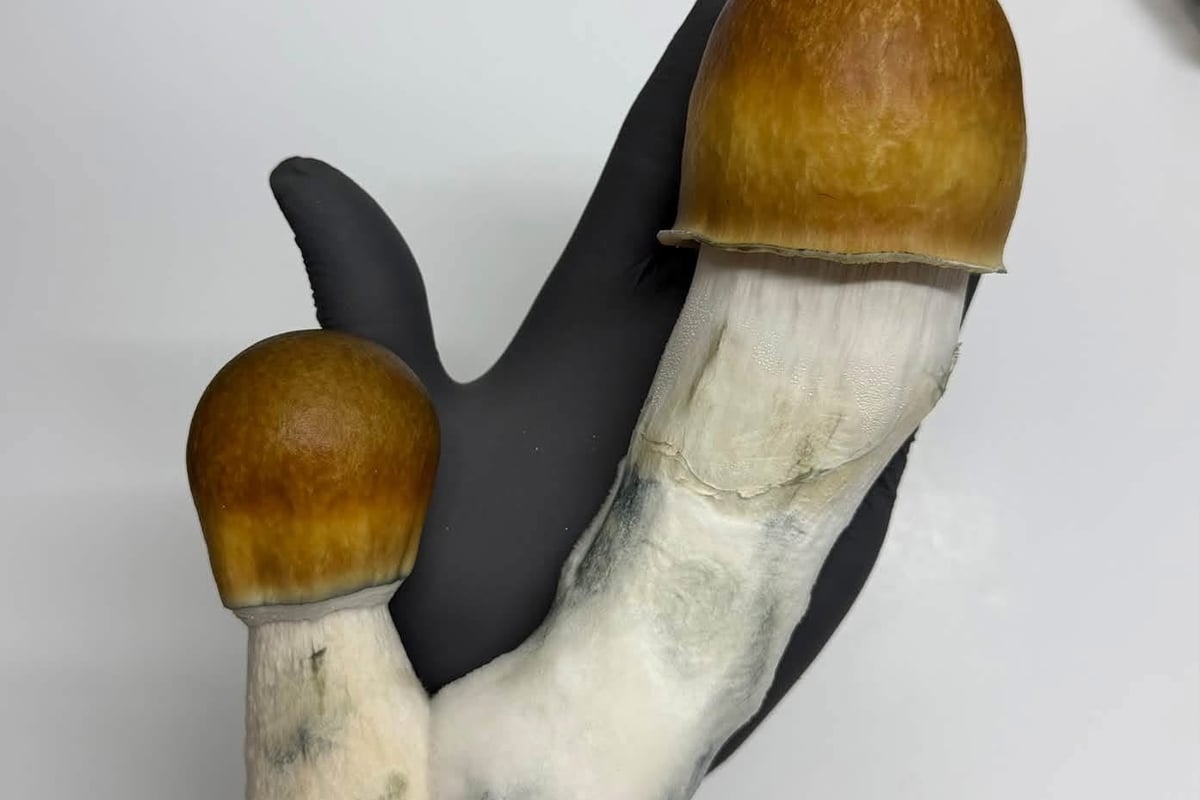
For psychedelic products, specific strain names (Golden Teacher, B+, Penis Envy) indicate cultivar selection but don't guarantee potency without testing. Real mushroom suppliers provide strain information alongside verified psilocybin percentages.
Bioactive Compounds: What Makes Mushrooms Work
Understanding the specific molecules responsible for mushroom effects helps consumers evaluate whether products can deliver promised benefits. These compounds serve as quality benchmarks and explain why real mushroom material produces distinct outcomes.
Psilocybin and Related Tryptamines
Psilocybin (4-phosphoryloxy-N,N-dimethyltryptamine) is the primary psychoactive compound in magic mushrooms. Upon ingestion, enzymatic action converts psilocybin to psilocin, which crosses the blood-brain barrier and binds to serotonin receptors, particularly 5-HT2A.
Real mushroom specimens also contain related compounds including baeocystin and norbaeocystin, which may contribute to the overall experience through entourage effects. Synthetic psilocybin isolates lack these complementary molecules, potentially altering the subjective and therapeutic effects compared to whole mushroom material.
Potency variations between strains and individual mushrooms mean standardization requires testing. A real mushroom product designed for therapeutic use should specify total tryptamine content and provide dosing guidance based on verified concentrations.
Functional Mushroom Compounds
Beyond psilocybin species, functional mushrooms contain diverse bioactive molecules. Research on biologically active proteins from edible fungi highlights immune-regulatory functions extending beyond polysaccharides to include lectins, fungal immunomodulatory proteins, and other protein fractions.
Key compound classes in functional mushrooms:
- Beta-glucans: Polysaccharides with immune-modulating effects
- Triterpenes: Found in reishi, support liver function and inflammation response
- Ergothioneine: Powerful antioxidant amino acid derivative
- Hericenones and erinacines: Lion's Mane compounds supporting nerve growth
- Cordycepin: Adenosine analog in Cordyceps with anti-inflammatory properties
A comprehensive review in Nature Reviews Bioengineering places mushroom polysaccharides within broader biomedical contexts, demonstrating their roles in engineered therapeutic applications. This scientific foundation explains why real mushroom products containing verified concentrations of these compounds produce measurable physiological effects, while grain-based mycelium products often fail to demonstrate similar bioactivity.
Storage, Handling, and Preserving Potency
Even authentic, high-quality mushroom products degrade without proper storage. Understanding preservation principles ensures that real mushroom material retains its therapeutic compounds until consumption.
Environmental Factors Affecting Stability
Psilocybin and related compounds are relatively stable when protected from environmental stressors. However, exposure to oxygen, light, heat, and moisture accelerates degradation through oxidation and enzymatic breakdown.
Optimal storage conditions:
- Temperature: Cool, stable environments (60-70°F) for long-term storage; refrigeration for extended preservation
- Light protection: Opaque containers blocking UV and visible light
- Moisture control: Airtight packaging with desiccant packets maintaining low humidity
- Oxygen exclusion: Vacuum sealing or nitrogen flushing for maximum longevity
Properly stored dried mushrooms or extracts can maintain potency for years. However, once packaging is opened, degradation accelerates. Real mushroom suppliers often package products in quantities designed for reasonable consumption timeframes, balancing convenience with preservation.
Signs of Degradation
Visual inspection reveals deterioration before consumption. Fresh dried mushrooms should retain their original color; significant darkening indicates oxidation. Blue bruising on psilocybin mushrooms results from psilocin oxidation and, while cosmetic when minor, suggests the beginning of compound breakdown.
Functional mushroom powders and extracts should flow freely without clumping. Moisture absorption causes caking and provides conditions for microbial growth. Any off odors, visible mold, or texture changes warrant disposal regardless of storage duration.
Making Informed Purchasing Decisions
Armed with knowledge about authentication, bioactive compounds, and quality indicators, consumers can confidently select real mushroom products that align with their therapeutic or exploratory goals.
Evaluating Supplier Reputation
Beyond individual product specifications, supplier reputation provides crucial context. Established businesses with transparent practices, responsive customer service, and documented quality control demonstrate commitment to real mushroom authenticity.
Research potential suppliers through:
- Independent reviews on platforms beyond the supplier's website
- Community discussions in forums focused on psychedelics or mycology
- Professional affiliations with industry organizations
- Educational content demonstrating expertise and transparency
- Testing protocols publicly documented and consistently applied
Suppliers who invest in education, share cultivation knowledge, and maintain rigorous testing standards typically prioritize product quality over profit maximization. This commitment translates into reliable access to real mushroom products.
Price as a Quality Indicator
While price alone doesn't guarantee quality, extremely low prices often signal compromised products. Authentic fruiting body material, professional cultivation, third-party testing, and proper extraction require significant investment. Products priced far below market averages likely contain mycelium on grain, minimal active compounds, or undisclosed fillers.
Conversely, premium pricing should correlate with verifiable quality markers. Paying extra makes sense when supported by comprehensive testing, organic certification, standardized extracts, and transparent sourcing. The goal is value rather than simply seeking the lowest cost.
Distinguishing real mushroom products from adulterated alternatives requires attention to testing documentation, cultivation practices, and transparent sourcing. Whether seeking psilocybin for therapeutic exploration or functional mushrooms for wellness support, verified authenticity ensures safety and efficacy. Toms Psychedelic Delivery provides curated access to tested, premium psychedelic and functional mushroom products with complete transparency, supporting informed and intentional use for personal growth and therapeutic benefit.
