
Uncategorized
Psychedelic Mushroom: Science, Safety & Therapeutic Use

Oct
The psychedelic mushroom has emerged from the shadows of counterculture to become one of the most researched compounds in modern psychiatry and neuroscience. These fungi, containing the psychoactive compound psilocybin, are now at the forefront of a therapeutic revolution, offering potential treatments for depression, anxiety, PTSD, and addiction. As clinical trials expand and regulatory attitudes shift, understanding the science, safety protocols, and therapeutic applications of psychedelic mushrooms has become essential for anyone interested in mindful exploration or evidence-based mental health interventions.
Understanding Psilocybin and Its Mechanisms
Psilocybin, the primary active compound in psychedelic mushroom species, functions as a prodrug that the body rapidly converts into psilocin. This transformation occurs within minutes of ingestion, allowing psilocin to cross the blood-brain barrier and bind to serotonin receptors throughout the central nervous system.
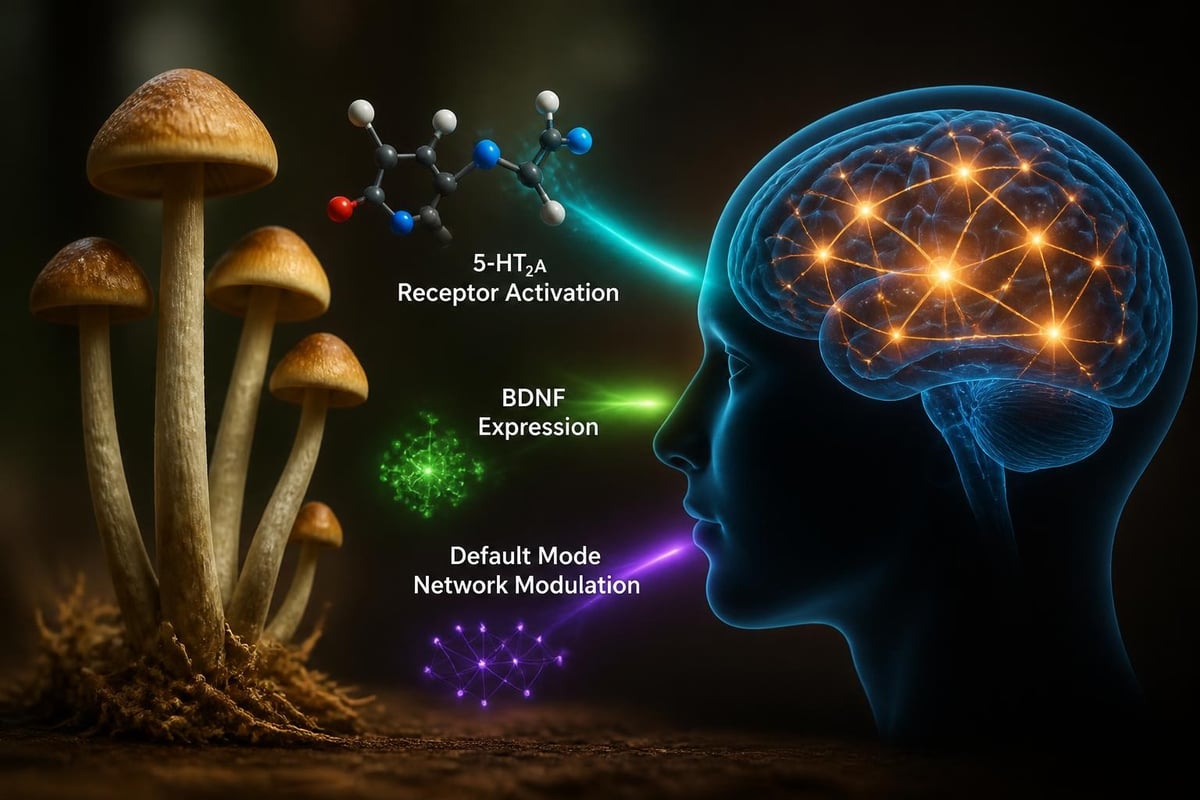
The therapeutic effects stem primarily from psilocin's interaction with 5-HT2A receptors, a subtype of serotonin receptor concentrated in brain regions responsible for perception, cognition, and mood regulation. Research on psychedelic antidepressants demonstrates that this receptor activation triggers cascading neurochemical changes that promote neuroplasticity-the brain's ability to form new neural connections and reorganize existing pathways.
Neuroplasticity and Therapeutic Potential
The psychedelic mushroom experience catalyzes measurable changes in brain connectivity patterns that persist long after the acute effects subside. Neuroimaging studies reveal increased communication between brain networks that typically operate independently, allowing for novel thought patterns and emotional processing.
Key neuroplastic mechanisms include:
- Enhanced dendritic spine density in cortical neurons
- Increased expression of brain-derived neurotrophic factor (BDNF)
- Reduced activity in the default mode network (associated with rumination and rigid thought patterns)
- Strengthened functional connectivity between emotional and cognitive processing centers
These biological changes correlate with the subjective experiences reported during psychedelic sessions, including emotional breakthroughs, perspective shifts, and enhanced cognitive flexibility that participants often describe as transformative.
Clinical Evidence and Research Landscape
The scientific literature supporting psychedelic mushroom therapy has grown exponentially over the past decade. A comprehensive review of psilocybin clinical trials cataloged over 80 registered studies investigating applications ranging from major depressive disorder to existential distress in terminal illness.
| Condition | Phase | Success Metrics | Notable Findings |
|---|---|---|---|
| Treatment-resistant depression | Phase II-III | Response rates 50-70% | Effects sustained 6-12 months |
| End-of-life anxiety | Phase II | 60-80% reduction in anxiety | Single-dose efficacy |
| Addiction (alcohol, tobacco) | Phase II | Abstinence rates doubled | Improved self-efficacy |
| PTSD | Phase I-II | Symptom reduction 30-50% | Enhanced emotional processing |
The National Institutes of Health summary on psilocybin emphasizes that while results are promising, most studies have been conducted in controlled clinical settings with extensive screening, preparation, and integration support. These controlled conditions differ significantly from recreational or unsupervised use.
Depression and Mood Disorders
Major depressive disorder represents the most extensively studied application for psychedelic mushroom therapy. Multiple randomized controlled trials have demonstrated that psilocybin-assisted therapy produces rapid and sustained antidepressant effects, often within 24 hours of a single session.
For individuals exploring magic mushrooms as a tool for addressing depression or treatment-resistant mood conditions, the clinical evidence suggests potential benefits for major depressive disorder and reducing existential anxiety, particularly when combined with therapeutic support and integration practices.
The mechanism differs fundamentally from conventional antidepressants. Rather than requiring daily dosing to maintain serotonin levels, psychedelic mushroom therapy appears to reset dysfunctional neural circuits through acute neuroplastic changes and profound psychological experiences that shift patients' relationship to their symptoms.
Species, Identification, and Safety Considerations
Over 200 species of mushrooms produce psilocybin, with potency varying considerably across varieties and growing conditions. The most commonly cultivated species include Psilocybe cubensis, Psilocybe semilanceata, and Psilocybe azurescens, each with distinct potency profiles and growing requirements.
Identification and Contamination Risks
Accurate species identification remains critical for safety. Mushroom poisoning syndromes documented by mycological associations demonstrate that misidentification can lead to severe toxicity or death when psychedelic species are confused with toxic lookalikes.
Critical identification factors include:
- Spore print color (typically purple-brown to black in psilocybin species)
- Bruising reaction (blueish discoloration indicating psilocin oxidation)
- Habitat and substrate preferences
- Microscopic characteristics
- Geographic distribution patterns
Purchasing from reputable sources with third-party testing eliminates identification risks and ensures freedom from contaminants including heavy metals, pesticides, and pathogenic organisms. Quality vendors provide detailed lab analysis confirming both psilocybin content and the absence of harmful adulterants.
Dosing Protocols and Experience Management
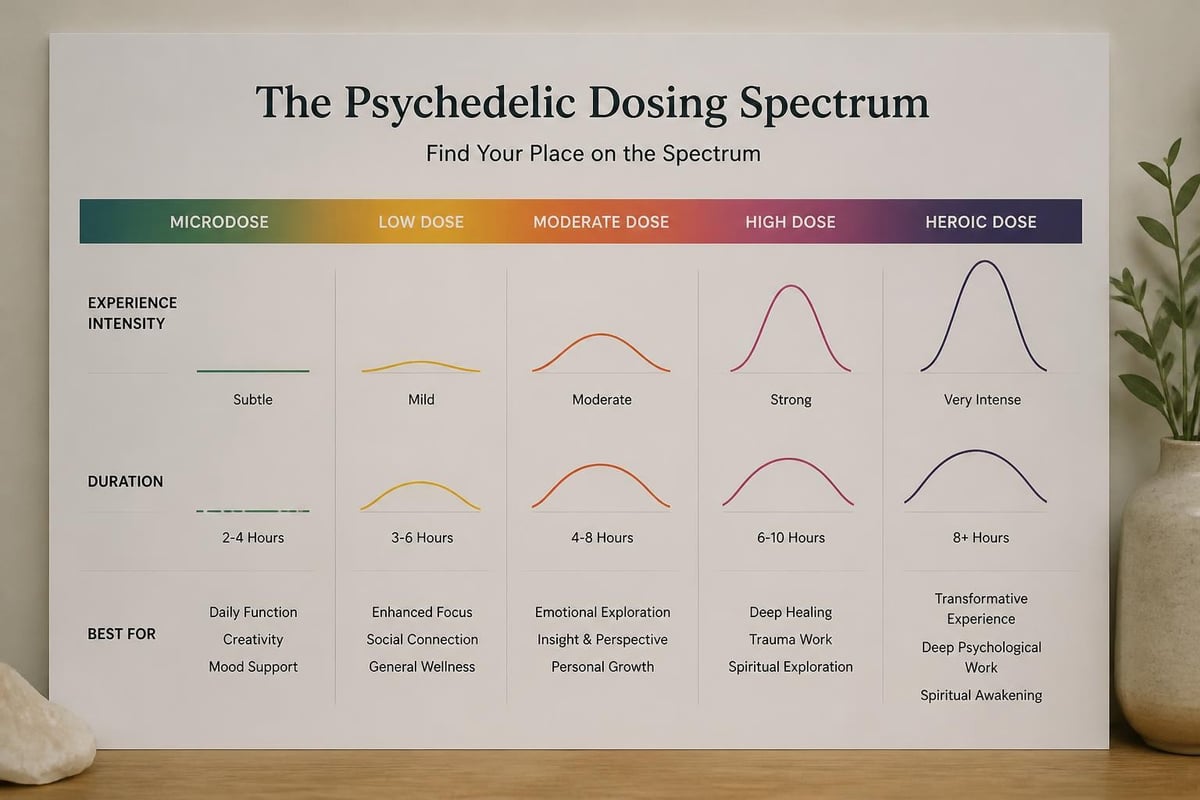
Psychedelic mushroom experiences vary dramatically based on dose, individual physiology, set (mindset), and setting (environment). Developing a structured approach to dosing enables intentional exploration while minimizing risks of overwhelming experiences.
Standard Dosing Ranges
| Dose Level | Dried Weight | Experience Characteristics | Recommended Applications |
|---|---|---|---|
| Microdose | 0.05-0.25g | Sub-perceptual, enhanced focus | Daily function, creativity |
| Low dose | 0.5-1.5g | Mild perceptual shifts | Social settings, nature |
| Moderate dose | 2-3.5g | Significant visuals, emotional processing | Therapeutic work, introspection |
| High dose | 4-5g+ | Profound ego dissolution | Supervised clinical settings only |
The psychedelic mushroom experience typically unfolds over six to eight hours, with peak effects occurring between 90 minutes and three hours after ingestion. Individual sensitivity varies considerably, making conservative initial dosing prudent even for those with prior experience.
Set and Setting Optimization
Environmental and psychological preparation significantly influence outcome quality. Clinical protocols emphasize creating safe, comfortable spaces free from interruption, with trusted support present for higher doses.
Essential preparation elements:
- Clear intentions and realistic expectations
- Comfortable, familiar environment with minimal external demands
- Trusted sitter or guide for doses above 2 grams
- Cleared schedule with no responsibilities for 24 hours
- Access to music, eye shades, and comfort items
- Emergency protocols and crisis resources identified
Integration practices following experiences prove equally important. Journaling, therapy sessions, and lifestyle modifications help translate insights into lasting behavioral change and maximize therapeutic benefits.
Harm Reduction and Contraindications
While psychedelic mushroom therapy demonstrates a favorable safety profile in controlled research settings, certain populations face elevated risks. Responsible use requires honest assessment of contraindications and implementation of harm reduction strategies.
Medical and Psychiatric Screening
Individuals with personal or family history of psychotic disorders should avoid psychedelic mushroom use, as psilocybin may precipitate or exacerbate psychosis in vulnerable populations. Bipolar disorder, schizophrenia, and other psychotic spectrum conditions represent absolute contraindications in most clinical protocols.
Additional risk factors include:
- Cardiovascular conditions (hypertension, arrhythmias)
- Concurrent use of certain medications (SSRIs, MAOIs, lithium)
- Pregnancy or breastfeeding
- Severe trauma without therapeutic support
- History of HPPD (hallucinogen persisting perception disorder)
Drug interactions deserve particular attention. Combining psychedelic mushrooms with SSRIs or other serotonergic medications may reduce effects or, in rare cases, precipitate serotonin syndrome. A minimum two-week washout period from antidepressants is standard in research protocols.
Legal Status and Policy Evolution
The legal landscape surrounding psychedelic mushroom use continues evolving rapidly. While psilocybin remains federally classified as a Schedule I substance in the United States, numerous jurisdictions have implemented decriminalization measures or therapeutic access programs.
Oregon became the first state to legalize supervised psilocybin therapy in 2020, with licensed facilities opening in 2023. Colorado followed with a similar model, and over a dozen cities including Denver, Oakland, and Washington D.C. have decriminalized possession for personal use.
Drug policy reform resources track these developments, documenting the shift from prohibition toward regulated therapeutic access and decriminalization frameworks. This policy evolution reflects growing recognition of psychedelic mushroom therapy's medical potential and relatively low abuse liability compared to other controlled substances.
International Perspectives
Countries including Jamaica, Brazil, and the Netherlands permit psychedelic mushroom use through various regulatory approaches, creating destinations for therapeutic retreats and supervised experiences. Canada's Special Access Program has approved psilocybin therapy for end-of-life distress and treatment-resistant depression on a case-by-case basis since 2020.
These international models inform domestic policy discussions, providing evidence that regulated access can occur without significant public health or safety concerns. Research institutions in these jurisdictions contribute valuable data to the global evidence base supporting therapeutic applications.
Microdosing Protocols and Productivity
Microdosing involves consuming sub-perceptual amounts of psychedelic mushroom compounds on a regular schedule, typically every three days. This practice has gained popularity among professionals seeking enhanced creativity, focus, and emotional regulation without impairing normal function.
- Fadiman Protocol: 0.1-0.3g every three days (one day on, two days off)
- Stamets Stack: Microdose combined with lion's mane mushroom and niacin daily for four days, three days off
- Intuitive Protocol: Dosing based on individual needs and responses rather than fixed schedules
Controlled studies on microdosing remain limited, with much of the existing evidence derived from observational studies and user reports. Preliminary research suggests modest improvements in mood and creativity, though placebo effects likely contribute to reported benefits. More rigorous clinical trials are currently underway to establish efficacy and optimal protocols.
Integration Practices and Long-Term Benefits
The psychedelic mushroom experience itself represents only one component of therapeutic benefit. Integration-the process of translating insights and emotional breakthroughs into lasting change-determines whether experiences produce enduring improvements or remain isolated events.
Effective integration strategies include:
- Structured journaling within 24 hours of experiences
- Regular therapy sessions with psychedelic-informed practitioners
- Meditation or contemplative practices
- Lifestyle modifications aligned with insights
- Community support through integration circles or peer groups
Research indicates that participants who engage in systematic integration maintain therapeutic gains significantly longer than those who view experiences as isolated events. The neuroplastic window opened by psychedelic mushroom sessions may remain elevated for weeks, creating optimal conditions for establishing new patterns and habits.
Combining Modalities
Many practitioners advocate combining psychedelic mushroom therapy with complementary approaches including breathwork, somatic therapy, cognitive behavioral techniques, and mindfulness training. This integrative model maximizes the compounds' catalytic properties while providing structured frameworks for processing and applying insights.
The synergy between psilocybin's neuroplastic effects and evidence-based psychotherapy may explain the superior outcomes observed in assisted therapy trials compared to medication-only approaches. The psychedelic experience creates psychological flexibility, while therapeutic guidance channels that flexibility toward specific healing objectives.
Quality Sourcing and Product Selection
The expanding market for psychedelic mushroom products brings both opportunities and quality concerns. Consumers face choices between whole dried mushrooms, capsules, extracts, and edible formulations, each with distinct advantages and potential pitfalls.
Third-party laboratory testing represents the gold standard for quality assurance. Reputable suppliers provide certificates of analysis confirming psilocybin and psilocin content, absence of heavy metals and pesticides, and microbiological purity. These verifications protect consumers from underdosed, contaminated, or misidentified products.
Quality indicators to evaluate:
- Transparent sourcing and cultivation practices
- Batch-specific lab testing results
- Clear potency labeling in milligrams
- Proper storage and packaging to preserve potency
- Educational resources and dosing guidance
- Responsive customer support
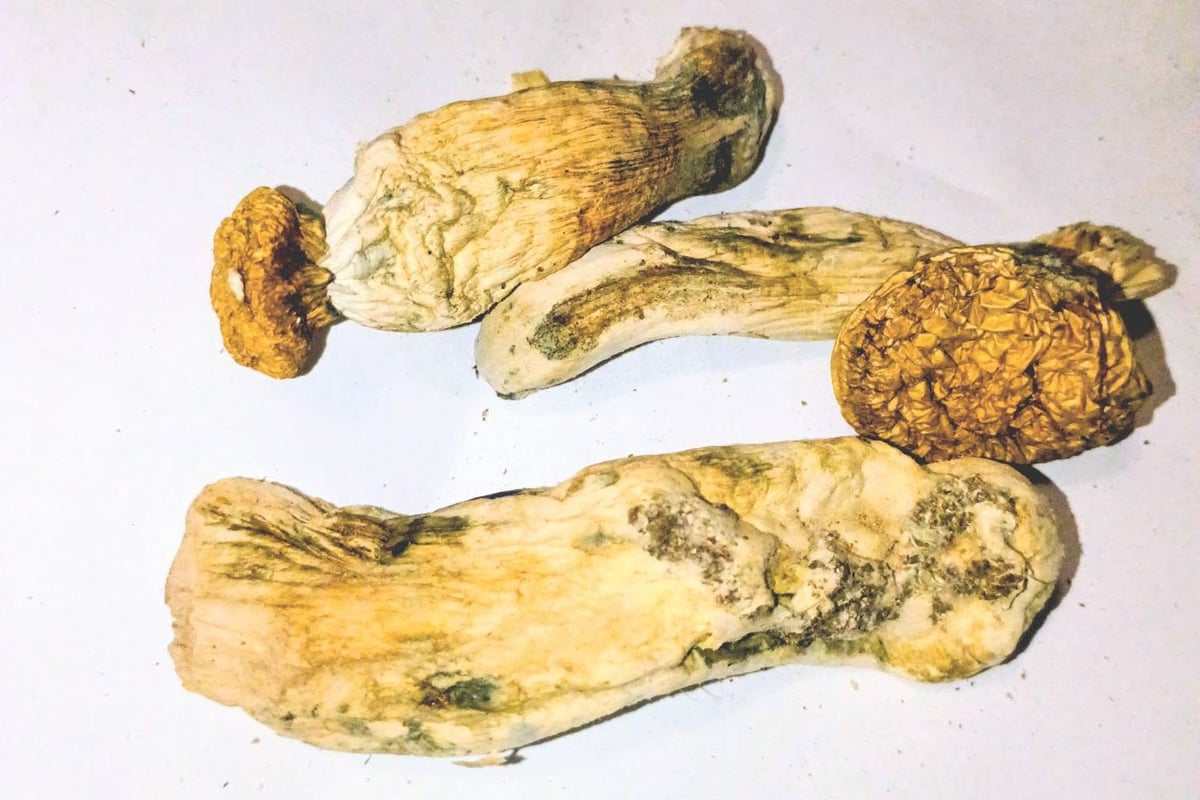
Visual inspection also provides valuable information. High-quality dried psychedelic mushrooms should appear intact with minimal stem breakage, consistent coloring, and characteristic blue bruising. Mushiness, unusual odors, or visible mold indicate improper drying or storage and should prompt rejection.
The science surrounding psychedelic mushroom therapy has progressed from preliminary observation to rigorous clinical validation, establishing psilocybin as a promising tool for mental health treatment and personal development. Whether you're exploring therapeutic applications or seeking quality products for mindful exploration, Toms Psychedelic Delivery offers premium psychedelic mushrooms and educational resources to support safe, informed, and intentional use. Our curated selection and commitment to quality ensure you have access to the tools needed for transformative experiences grounded in scientific understanding and harm reduction principles.
