
Mushrooms
Psychedelic Mushroom for Sale: 2026 Buying Guide

Sep
The landscape of psychedelic mushroom availability has transformed dramatically over the past few years. As therapeutic research continues to validate the potential of psilocybin for mental health applications and several jurisdictions reconsider prohibition-era policies, more individuals are exploring how to access these substances safely and responsibly. Whether you’re seeking psychedelic mushroom for sale for personal exploration, therapeutic purposes, or microdosing protocols, understanding the marketplace, quality indicators, legal considerations, and safety practices is essential for making informed decisions in 2026.
Understanding Psychedelic Mushrooms and Psilocybin
Psychedelic mushrooms, commonly called magic mushrooms or shrooms, contain the naturally occurring compounds psilocybin and psilocin. When consumed, psilocybin converts to psilocin in the body, producing profound changes in perception, cognition, and emotional processing. The Johns Hopkins Center for Psychedelic & Consciousness Research has published extensively on psilocybin’s mechanisms and therapeutic applications, establishing a robust scientific foundation for understanding these effects.
Primary Active Compounds
The potency and experience produced by any psychedelic mushroom for sale depend primarily on psilocybin concentration, which varies by species, growing conditions, and preservation methods. Psilocybin serves as the prodrug, while psilocin delivers the psychoactive effects. Additional trace compounds like baeocystin and norbaeocystin may contribute to the overall experience, though their roles remain under investigation.
Different strains contain varying alkaloid profiles:
- Penis Envy varieties: 0.8-1.5% psilocybin by dry weight
- Golden Teacher: 0.6-0.8% psilocybin
- B+ and related cubensis strains: 0.5-0.9% psilocybin
- Wild species (P. azurescens, P. cyanescens): 1.0-1.8% psilocybin
Understanding these concentrations helps you calibrate dosage and set appropriate expectations for any psychedelic mushroom for sale you might consider.
Legal Status and Regulatory Framework in 2026
The legal environment surrounding psychedelic mushroom for sale continues to evolve rapidly across the United States and internationally. While psilocybin remains a Schedule I substance under federal law, state and local jurisdictions have implemented varying approaches ranging from decriminalization to regulated therapeutic access.
State-Level Legal Variations
Several states have enacted legislation creating pathways for legal psilocybin access in specific contexts. Oregon’s Measure 109 established licensed service centers where adults can consume psilocybin under professional supervision. Colorado’s Natural Medicine Health Act created a similar framework with broader scope. The state-by-state legal framework provides detailed analysis of current regulations.
| Jurisdiction | Legal Status | Access Model | Effective Date |
|---|---|---|---|
| Oregon | Regulated therapeutic use | Licensed service centers | 2023 |
| Colorado | Regulated therapeutic use | Healing centers | 2024 |
| Washington | Decriminalized (local) | No commercial framework | Varies by city |
| California | Decriminalized (select cities) | No commercial framework | Varies by city |
| Federal | Schedule I (illegal) | Research exemptions only | Ongoing |
Additional municipalities including Seattle, San Francisco, Oakland, Detroit, and Washington D.C. have deprioritized enforcement. However, decriminalization does not create legal retail markets for psychedelic mushroom for sale.
International Perspectives
The WHO Expert Committee on Drug Dependence has examined psilocybin’s therapeutic potential and public health implications. Several countries including the Netherlands (through “smart shops” selling sclerotia) and Jamaica (where psilocybin mushrooms are not explicitly prohibited) have taken permissive approaches. Brazil and Portugal have decriminalized personal possession of psychedelics.
Understanding your local jurisdiction’s stance is critical before seeking psychedelic mushroom for sale, as penalties vary dramatically from civil infractions to felony charges.
Strain Selection and Characteristics
When evaluating psychedelic mushroom for sale, strain selection significantly influences both the qualitative experience and practical considerations like cultivation difficulty and storage stability. Over 180 species of psilocybin-containing mushrooms have been identified, though commercial availability centers on a smaller subset.
Popular Psilocybe Cubensis Varieties
The species Psilocybe cubensis dominates the marketplace due to relatively straightforward cultivation requirements and consistent potency. Within this species, distinct strains offer varying characteristics:
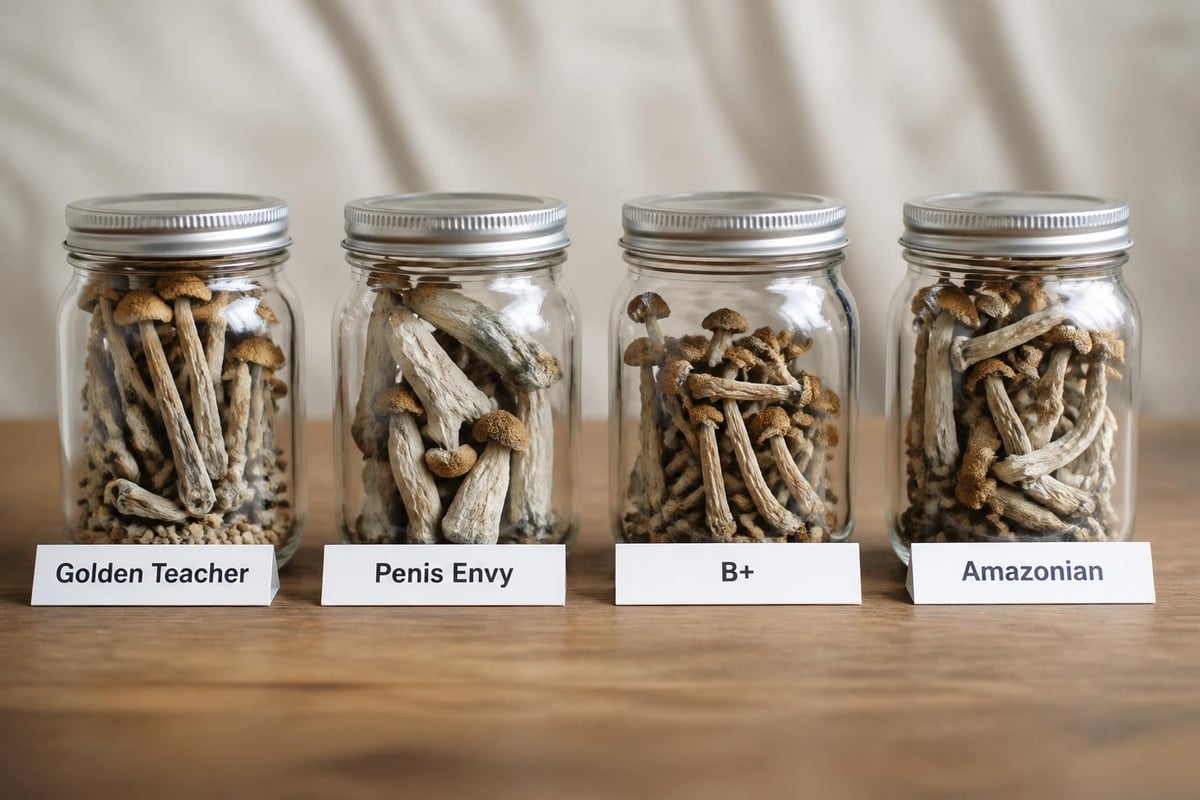
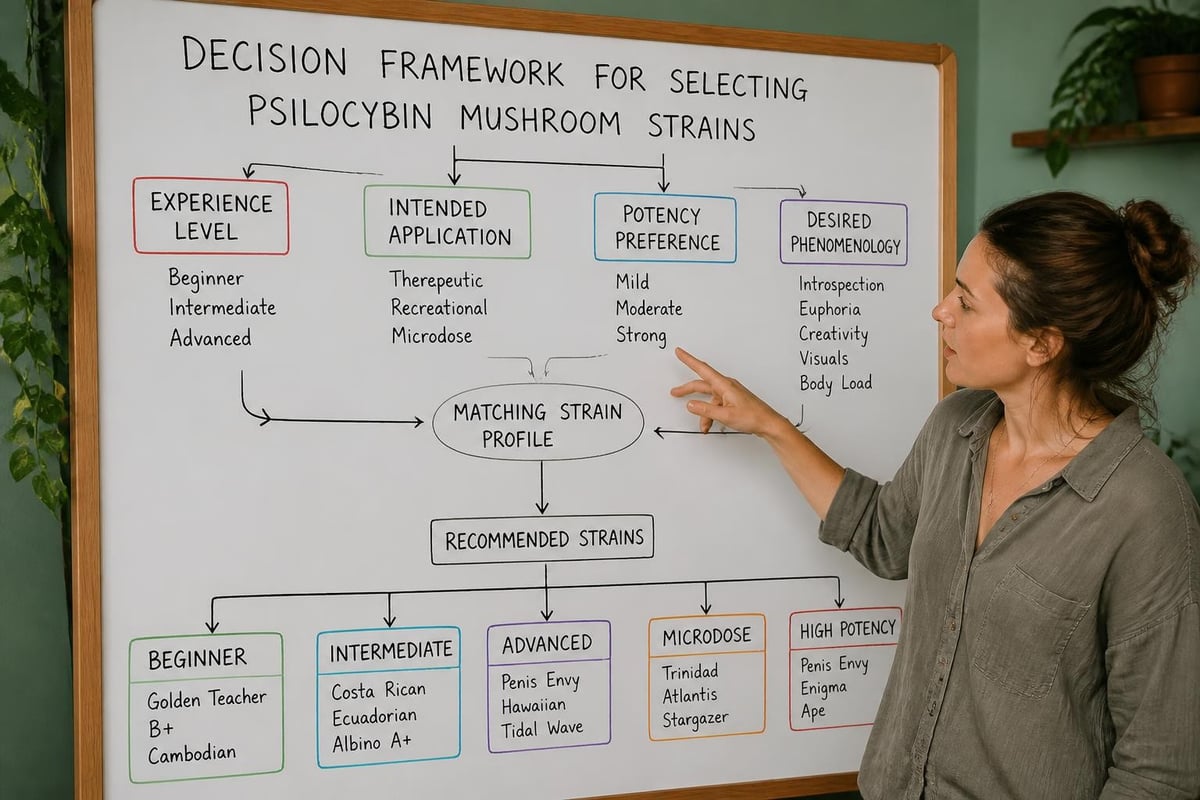
Golden Teacher remains among the most recommended varieties for newcomers. This strain produces moderate potency with a reputation for introspective, philosophical experiences. Visual geometry tends toward warm, golden hues matching the cap coloration.
B+ (Be Positive) delivers reliable, well-rounded experiences with slightly lower potency than Penis Envy varieties. Many users report particularly positive emotional states and enhanced social connectivity with this strain.
Penis Envy and mutations represent the high-potency end of the cubensis spectrum. These thick-stemmed varieties require careful dosing due to elevated alkaloid content. Experiences tend toward intense visual distortions and profound ego dissolution at standard doses.
Amazonian strains originate from South American genetics, often producing energetic, visually intense experiences with less introspective headspace than Golden Teacher varieties.
Beyond Cubensis: Specialty Species
Experienced users sometimes seek psychedelic mushroom for sale from more potent wood-loving species:
- Psilocybe azurescens: Among the most potent known species, native to Pacific Northwest coastal regions
- Psilocybe cyanescens (Wavy Caps): Strong potency with distinctive wavy cap margins
- Psilocybe semilanceata (Liberty Caps): European grassland species with reliable moderate-to-high potency
These species typically command premium pricing due to cultivation challenges or wild-harvesting requirements.
Quality Indicators and Product Forms
Not all psychedelic mushroom for sale offerings meet equivalent quality standards. Evaluating product quality requires attention to multiple factors including preservation method, contamination risk, potency consistency, and vendor transparency.
Dried Whole Mushrooms vs. Processed Products
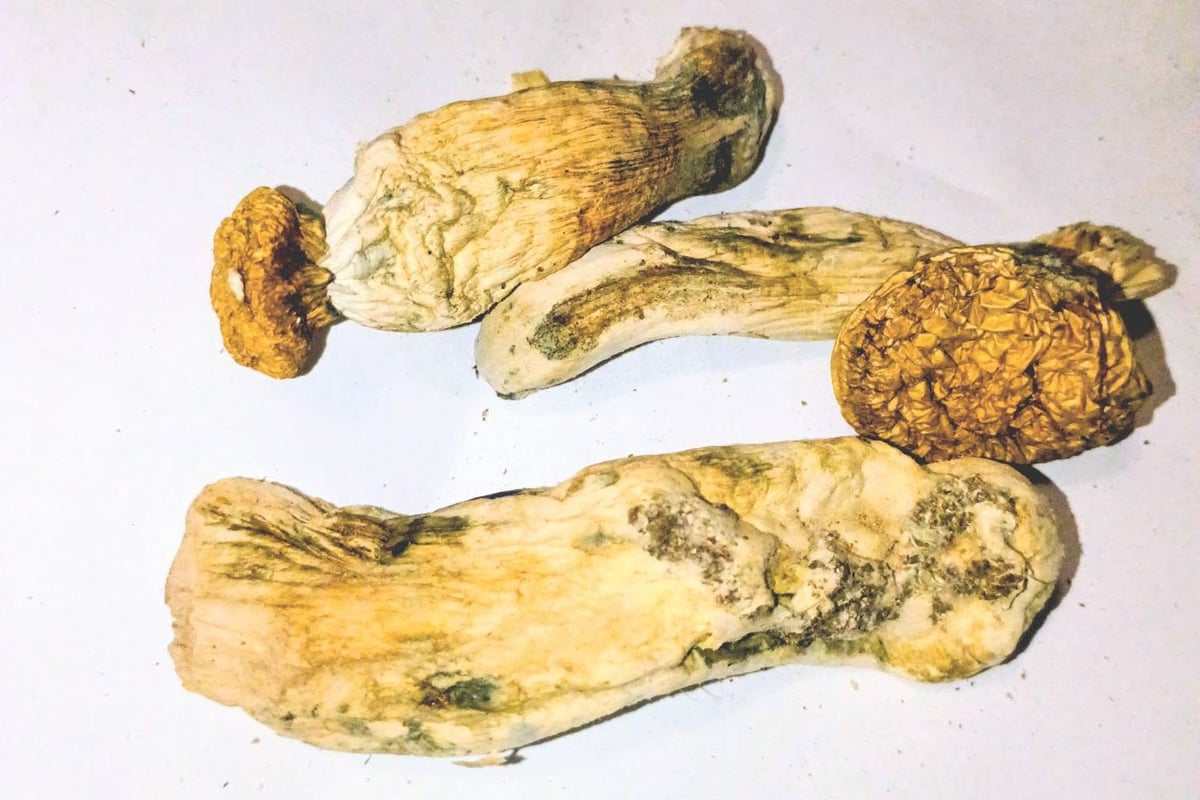
Whole dried mushrooms remain the gold standard for quality assessment. Visual inspection reveals contamination, proper drying technique, and strain characteristics. Properly dried mushrooms snap cleanly rather than bending, indicating moisture content below 10% necessary for long-term storage stability.
Powdered or capsulated products offer convenience and precise dosing but sacrifice visual quality verification. Reputable vendors provide third-party lab testing confirming psilocybin content and screening for heavy metals, pesticides, and microbial contamination.
Chocolate bars and edibles have grown popular but introduce additional variables. Psilocybin degrades when exposed to heat, so manufacturing processes matter significantly. Some products use mushroom extracts rather than whole-mushroom powder, affecting the alkaloid profile.
Lab Testing and Transparency
Premium psychedelic mushroom for sale should include certificates of analysis (COAs) from independent laboratories. Key testing parameters include:
- Psilocybin and psilocin concentration (expressed as percentage or mg/g)
- Heavy metal screening (lead, arsenic, mercury, cadmium)
- Microbial testing (E. coli, Salmonella, mold/yeast counts)
- Residual solvent analysis (if extracts are used)
Vendors unwilling to provide testing documentation raise immediate quality concerns.
Dosage Guidelines and Safety Considerations
Proper dosing represents perhaps the most critical factor in safe, beneficial psychedelic mushroom experiences. The threshold between sub-perceptual microdoses and overwhelming experiences spans a relatively narrow range, making precision essential.
Established Dosing Frameworks
| Dose Range | Dried Mushrooms | Effects | Applications |
|---|---|---|---|
| Microdose | 0.1-0.3g | Sub-perceptual cognitive enhancement | Daily productivity, mood regulation |
| Threshold | 0.3-0.5g | Subtle perceptual shifts, mild euphoria | Social settings, creative work |
| Light dose | 0.5-1.5g | Clear psychedelic effects, retained control | Therapeutic exploration, nature walks |
| Common dose | 1.5-3.5g | Full psychedelic experience | Deep introspection, guided sessions |
| Strong dose | 3.5-5g+ | Profound ego dissolution, mystical states | Experienced users only, therapeutic contexts |
These ranges assume average-potency P. cubensis strains. Adjust downward for Penis Envy or wood-loving species. When purchasing psychedelic mushroom for sale, always start with lower doses to assess personal sensitivity and product potency.
Set, Setting, and Harm Reduction
The MAPS policy and harm reduction guide emphasizes environmental and psychological preparation as critical safety factors. Set refers to mindset and intention, while setting encompasses physical environment and social context.
Best practices include:
- Clear intentions and realistic expectations
- Safe, comfortable environment with minimal external demands
- Trusted trip sitter for doses above 2 grams
- Empty stomach (2-3 hours fasting) for consistent absorption
- Cleared schedule with no responsibilities for 8-12 hours
Contraindications include personal or family history of schizophrenia or bipolar disorder, concurrent SSRI use (which dampens effects), and environments with potential for disturbance.
Vendor Evaluation and Purchasing Considerations
The unregulated nature of most psychedelic mushroom for sale markets necessitates careful vendor assessment. Quality, safety, and reliability vary dramatically across sources.
Key Vendor Attributes
Established reputation within the community provides the strongest reliability indicator. Long-operating vendors with consistent positive feedback demonstrate commitment to quality and customer satisfaction.
Transparent sourcing and cultivation practices distinguish professional operations from opportunistic sellers. Reputable vendors disclose growing methods, substrate compositions, and handling procedures.
Responsive customer service and education resources indicate customer-focused operations. Vendors who provide dosing guidance, strain information, and integration support demonstrate commitment beyond transaction completion.
Discreet, professional packaging protects both product quality and customer privacy. Vacuum-sealing preserves freshness while odor-proof materials ensure discretion.
Testing documentation separates premium offerings from commodity products. Third-party lab results should be readily available and verifiable.
Red Flags and Warning Signs
Avoid vendors who:
- Make medical claims or guarantee therapeutic outcomes
- Pressure urgent purchases through artificial scarcity
- Lack verifiable contact information or business history
- Offer unrealistic pricing significantly below market rates
- Show poor product photography or vague strain descriptions
- Request unusual payment methods without standard options
When looking for psychedelic mushroom for sale, patience in vendor selection substantially reduces risk.
Therapeutic Applications and Clinical Evidence
The resurgence of clinical research into psilocybin has revealed compelling evidence for therapeutic applications in mental health treatment. Understanding this context helps frame intentional, informed use.
For those exploring therapeutic pathways, magic mushrooms have demonstrated particular promise for major depressive disorder and treatment-resistant depression, as well as reducing existential anxiety in terminally ill patients. These applications require careful set, setting, and often professional guidance for optimal outcomes.
Evidence-Based Therapeutic Uses
Multiple controlled trials have demonstrated psilocybin’s efficacy across psychiatric conditions:
Depression and treatment-resistant depression: Two doses of psilocybin (10mg and 25mg) with psychological support produced rapid, sustained antidepressant effects in controlled trials. Response rates exceeded 70% in some studies, with many participants achieving remission.
End-of-life anxiety: Terminal cancer patients receiving psilocybin-assisted therapy showed significant reductions in existential distress, depression, and anxiety lasting months beyond treatment.
Addiction treatment: Preliminary evidence suggests effectiveness for alcohol and tobacco dependence, with abstinence rates substantially higher than standard treatments.
Cluster headaches: Patient reports and small studies indicate potential for both acute relief and prevention of cluster headache cycles.
The therapeutic model emerging from clinical research emphasizes psychedelic mushroom experiences as catalysts for psychological insight rather than pharmacological “cures.” Integration work following experiences appears critical for translating insights into lasting change.
Storage, Preservation, and Shelf Life
Proper storage significantly extends the viability of any psychedelic mushroom for sale. Psilocybin and psilocin degrade when exposed to heat, light, oxygen, and moisture.
Optimal Storage Practices
Moisture control represents the primary concern. Dried mushrooms should reach “cracker dry” consistency (less than 10% moisture) before storage. Food-grade desiccant packets maintain low humidity in storage containers.
Light protection prevents photodegradation. Amber glass jars or opaque containers shield contents from UV exposure.
Temperature stability slows chemical degradation. Room temperature storage in dark, cool locations works well for short-to-medium term (3-6 months). Refrigeration or freezing extends shelf life to 1-2 years when properly sealed against moisture infiltration.
Oxygen reduction through vacuum-sealing further protects alkaloid content. Oxygen absorber packets offer an alternative approach.
Properly stored dried mushrooms retain potency for years, while improperly stored material may lose 50% or more of psilocybin content within months.
Microdosing Protocols and Sub-Perceptual Use
Microdosing has gained substantial attention as an application distinct from classical psychedelic experiences. This practice involves consuming sub-threshold doses (typically 0.1-0.3g dried mushrooms) on regular schedules to enhance cognition, creativity, and emotional balance without perceptual distortion.
Common Protocols
Fadiman Protocol: Dose every third day (one day on, two days off) to prevent tolerance while maintaining subtle benefits.
Stamets Stack: Combines psilocybin microdose with lion’s mane mushroom and niacin, based on neurogenesis and neuroplasticity theories.
Intuitive dosing: Flexible approach based on individual response and life demands, typically 1-2 times weekly.
Research into microdosing remains limited compared to therapeutic-dose studies, with placebo-controlled trials showing mixed results. User reports frequently cite improvements in:
- Focus and concentration
- Emotional regulation and resilience
- Creative problem-solving
- Social connection and empathy
- Physical energy and motivation
Starting with very low doses (0.05-0.1g) and gradually increasing helps identify the sub-perceptual threshold for each individual and product when exploring psychedelic mushroom for sale for this purpose.
Integration Practices and Maximizing Benefits
The psychedelic mushroom experience itself represents only one component of therapeutic or personal development work. Integration-the process of making meaning from insights and incorporating lessons into daily life-determines long-term outcomes.
Structured Integration Approaches
Journaling immediately post-experience captures details, emotions, and insights before they fade. Regular review reveals patterns and themes worth exploring.
Professional integration therapy with psychedelic-informed therapists helps process challenging material and translate insights into behavioral change.
Community and peer support through psychedelic societies, online forums, or local meetups provides perspective and shared wisdom.
Meditation and contemplative practices deepen the reflective capacity developed during psychedelic experiences.
Gradual implementation of insights prevents overwhelm. Selecting one or two actionable changes rather than attempting wholesale life transformation yields more sustainable results.
The research publications from Johns Hopkins increasingly emphasize psychological support and preparation as critical elements of therapeutic outcomes with psilocybin.
Cultivation vs. Purchasing Considerations
Individuals seeking reliable access to psilocybin mushrooms face the choice between purchasing psychedelic mushroom for sale and personal cultivation. Each approach carries distinct advantages, risks, and practical requirements.
Home Cultivation Basics
Growing P. cubensis requires moderate knowledge and equipment but offers several benefits:
- Complete control over genetics, growing conditions, and handling
- Substantially lower per-gram costs after initial investment
- Continuous supply without market dependence
- Educational value in understanding fungal biology
Basic cultivation requires sterile technique, proper substrate preparation, environmental controls (temperature, humidity, fresh air exchange), and patience through 4-8 week growth cycles.
Legal risks may differ from possession of finished product in some jurisdictions, though cultivation typically carries enhanced penalties. Spores remain legal in most U.S. states as they don’t contain psilocybin, though germinating them creates controlled substances.
Purchasing Advantages
Buying psychedelic mushroom for sale offers:
- Immediate availability without cultivation learning curve
- Access to multiple strains without managing several grows
- No equipment investment or ongoing growing costs
- Reduced legal exposure from cultivation evidence
- Professional growing expertise reflected in product quality
The choice depends on individual circumstances, risk tolerance, and interest in the cultivation process itself.
Understanding the marketplace, quality indicators, safety practices, and legal landscape empowers informed decisions when exploring psychedelic mushroom for sale in 2026. Whether seeking therapeutic benefits, personal growth, or cognitive enhancement through microdosing, prioritizing quality, proper dosing, and intentional use maximizes benefits while minimizing risks. For those ready to explore premium psilocybin products with a focus on safety, quality, and informed use, Toms Psychedelic Delivery offers carefully curated selections backed by expertise in mindful psychedelic exploration and integration support.
