
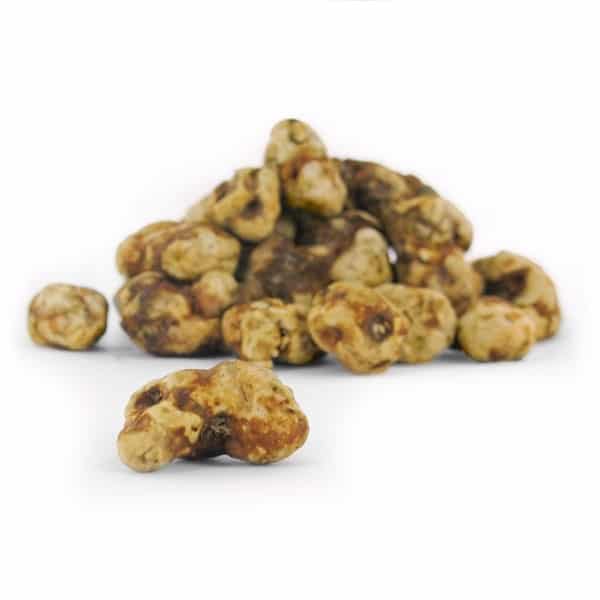

Psilocybe tampanensis Magic Truffles Overview
About Psilocybe tampanensis Magic Truffles
Psilocybe tampanensis is a species of mushroom known for producing underground hardened structures called sclerotia, commonly referred to as magic truffles. Unlike the above-ground fruiting bodies of mushrooms, sclerotia develop beneath the surface and serve as nutrient reserves that help the organism survive unfavorable environmental conditions.
Within mycology, P. tampanensis is recognized for its unique biology and has become one of the better-known species associated with naturally forming sclerotia.
Scientific Classification
| Classification | Details |
|---|---|
| Kingdom | Fungi |
| Division | Basidiomycota |
| Class | Agaricomycetes |
| Order | Agaricales |
| Family | Hymenogastraceae |
| Genus | Psilocybe |
| Species | Psilocybe tampanensis |
Discovery and Background
Psilocybe tampanensis was first described from specimens discovered in Florida, United States. The species later became well known among mycologists and cultivators because of its ability to produce sclerotia under suitable growing conditions.
Although the species is less commonly encountered than Psilocybe cubensis, it remains an important subject within mycological research and cultivation studies.
Understanding Magic Truffles
Magic truffles are sclerotia, not true truffles in the botanical sense. They are dense masses of fungal tissue that develop underground and function as nutrient storage structures.
These structures enable the fungus to persist through challenging environmental conditions and represent an important part of the organism’s life cycle.
Identifying Characteristics
Reported characteristics of Psilocybe tampanensis sclerotia include:
- Compact, irregularly shaped structures
- Light brown to golden-brown exterior
- Dense internal texture
- Underground development beneath the growing substrate
The above-ground mushroom, when produced, displays characteristics typical of the Psilocybe genus, including brownish caps, pale stems, and dark purplish-brown spore prints.
Scientific Interest
Psilocybe tampanensis has attracted scientific interest because it naturally produces psilocybin and psilocin. Research involving these compounds is being conducted under carefully controlled clinical conditions to better understand their effects on the brain and human cognition.
Most published research focuses on psilocybin-containing species generally, while studies specific to P. tampanensis remain comparatively limited.
Frequently Asked Questions
Are magic truffles the same as mushrooms?
No. Magic truffles are sclerotia—underground nutrient-storage structures produced by certain fungal species. They differ biologically from the above-ground fruiting bodies commonly called mushrooms.
Where was Psilocybe tampanensis first identified?
The species was first described from specimens discovered in Florida, USA.
Why are they called “magic truffles”?
The term “magic truffles” is a common name for the sclerotia produced by certain Psilocybe species. They are not true culinary truffles.
Is Psilocybe tampanensis different from Psilocybe cubensis?
Yes. They are separate species within the genus Psilocybe, each with its own biological characteristics and growth patterns.
Safety and Legal Information
The legal status of Psilocybe tampanensis and its sclerotia varies between countries and jurisdictions. Individuals are responsible for understanding and complying with all applicable laws.
This overview is provided for educational and informational purposes only and should not be interpreted as medical, legal, or professional advice.
| QUANTITY | HP, LB, OZ, QP |
|---|
Related products
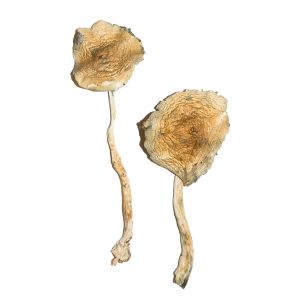
Magic Mushrooms
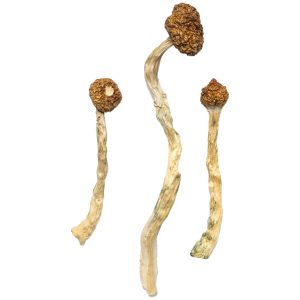
Magic Mushrooms
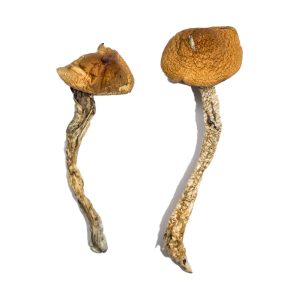
Magic Mushrooms

Magic Mushrooms
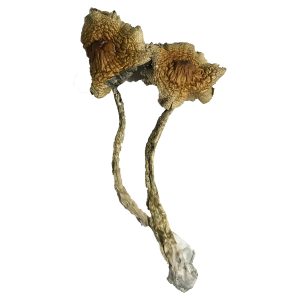
Magic Mushrooms
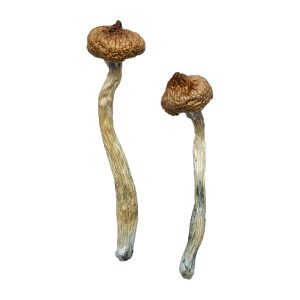
Magic Mushrooms
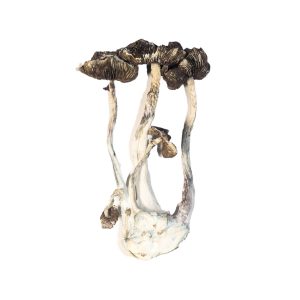
Magic Mushrooms
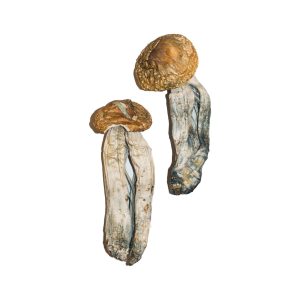
Magic Mushrooms