
Uncategorized
Polkadot Magic Mushrooms: Complete Guide for 2026

Sep
Polkadot magic mushrooms have emerged as one of the most discussed varieties in the psychedelic community, drawing attention from both experienced explorers and curious newcomers. These distinctive fungi represent a unique intersection of traditional psilocybin mushrooms and modern cultivation techniques, offering users a potentially different experience compared to conventional strains. Understanding what sets polkadot magic mushrooms apart requires examining their characteristics, effects, proper usage protocols, and the broader context of safe psychedelic exploration.
Understanding Polkadot Magic Mushrooms
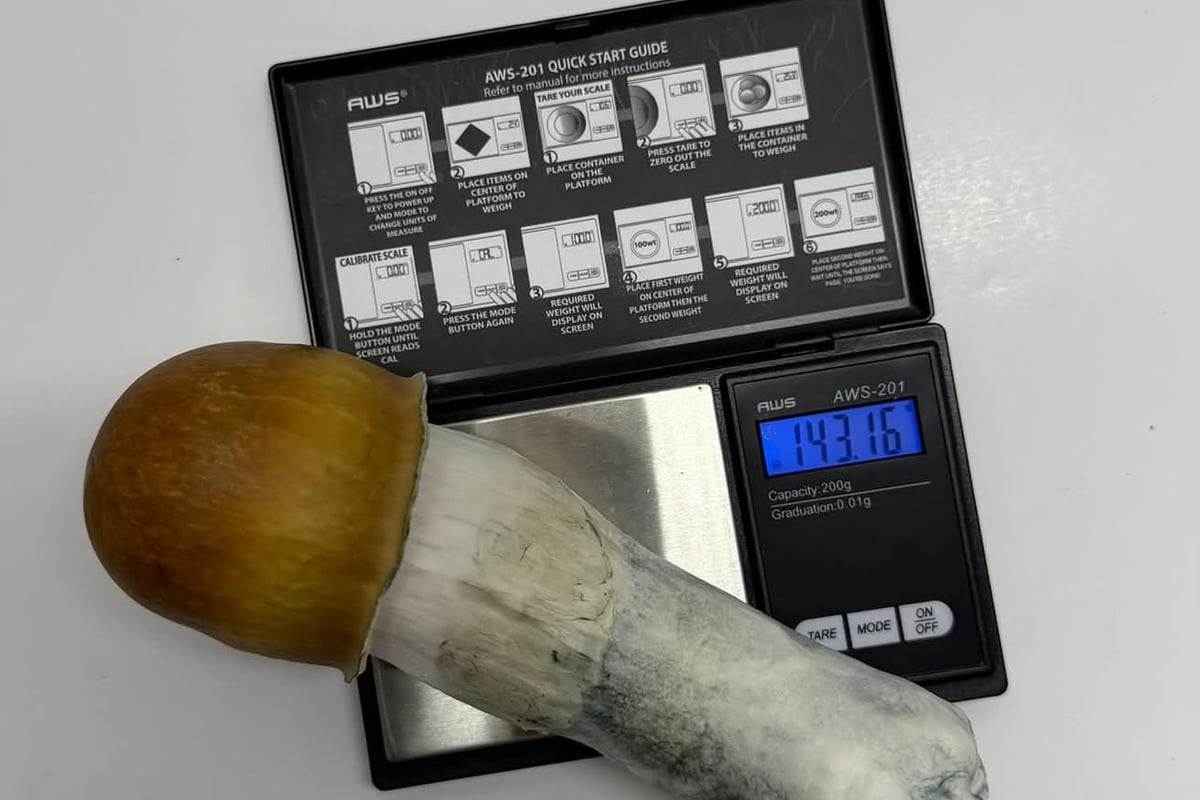
Polkadot magic mushrooms derive their name from the distinctive spotted or dotted appearance that characterizes their caps during certain growth stages. This visual trait has made them particularly recognizable within the broader category of psilocybin-containing mushrooms. The pattern resembles the playful polka dot design, hence the memorable nomenclature that has helped these mushrooms gain traction in psychedelic communities.
The genetic lineage of polkadot magic mushrooms typically traces back to Psilocybe cubensis varieties, though specific cultivation practices and environmental conditions contribute to their unique appearance. Growers have refined techniques to enhance both the visual appeal and the consistency of psilocybin content across batches.
Chemical Composition and Potency
The active compounds in polkadot magic mushrooms mirror those found in other psilocybin species:
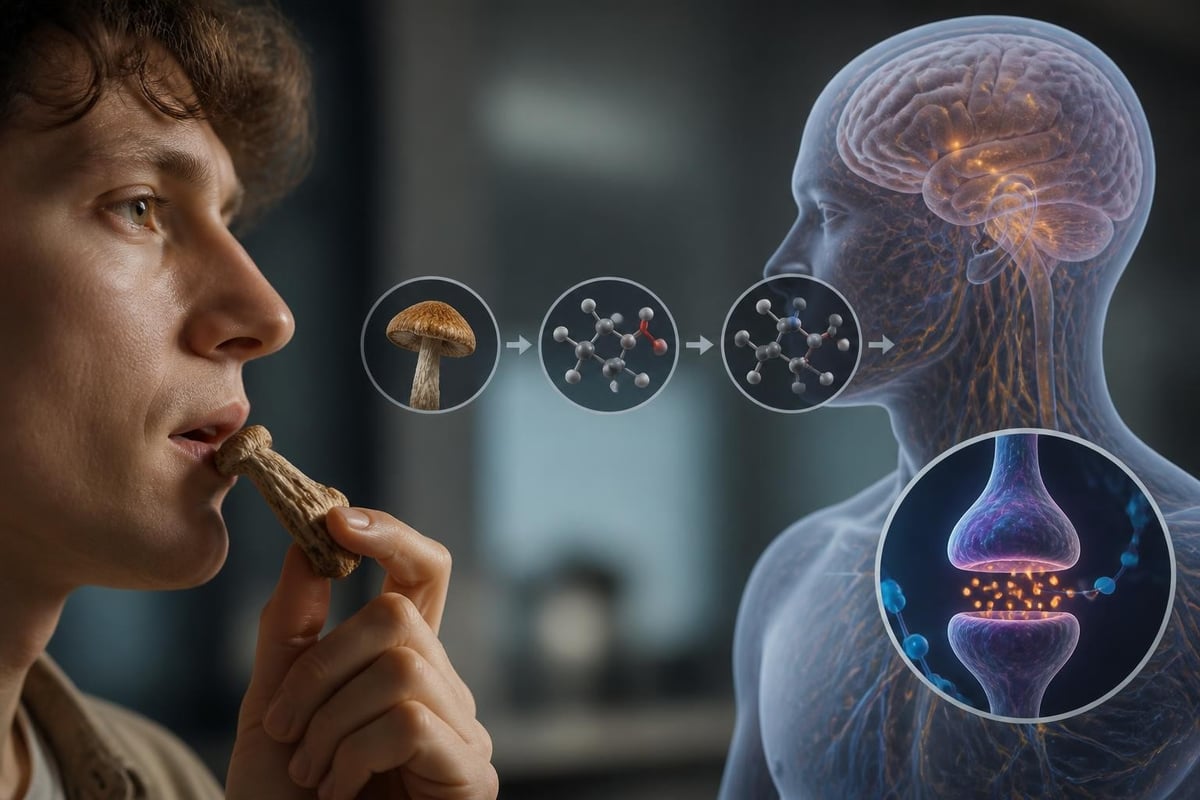
- Psilocybin: The primary psychoactive compound that converts to psilocin in the body
- Psilocin: The metabolized form responsible for psychedelic effects
- Baeocystin: A minor alkaloid that may contribute to overall experience
- Norbaeocystin: Another trace compound present in varying concentrations
Potency levels in polkadot magic mushrooms generally range from moderate to high, though exact concentrations depend on cultivation methods, harvest timing, and storage conditions. Laboratory testing has shown psilocybin content between 0.5% and 1.2% by dry weight in quality specimens.
Effects and Experiential Qualities
The journey with polkadot magic mushrooms typically unfolds in predictable phases, though individual experiences vary based on dosage, set, setting, and personal biochemistry. Users report a range of perceptual, emotional, and cognitive shifts that distinguish psilocybin experiences from ordinary consciousness.
Physical Sensations
Initial physical effects often manifest within 20 to 45 minutes of consumption. Many users notice subtle changes in body temperature perception, mild stomach sensations, and increased tactile sensitivity. Some individuals experience pupil dilation, slight increases in heart rate, and changes in proprioception.
Energy levels fluctuate throughout the experience, with some periods feeling energized and others calling for stillness and introspection. Proper hydration and a comfortable environment help manage physical sensations effectively.
Psychological and Perceptual Changes
The psychological landscape during a polkadot magic mushrooms experience encompasses several dimensions:
- Visual alterations: Enhanced colors, geometric patterns, breathing walls, and tracers
- Emotional amplification: Deepened feelings ranging from joy to introspection
- Cognitive flexibility: Novel thought patterns and creative problem-solving
- Ego dissolution: Temporary reduction in self-referential thinking at higher doses
- Mystical experiences: Feelings of unity, transcendence, and interconnectedness
Duration typically spans four to six hours, with peak effects occurring between 90 minutes and three hours after ingestion. The gradual return to baseline consciousness allows for integration of insights gained during the experience.
| Dosage Level | Amount (Dried) | Typical Experience |
|---|---|---|
| Microdose | 0.1-0.3g | Sub-perceptual, enhanced focus |
| Threshold | 0.3-0.5g | Mild perceptual changes |
| Moderate | 1.0-2.5g | Classic psychedelic journey |
| Strong | 2.5-4.0g | Intense experience, ego effects |
| Heroic | 4.0g+ | Deep introspection, dissolution |
Therapeutic Applications and Benefits
Research into psilocybin therapy has accelerated significantly, with institutions like Johns Hopkins and Imperial College London conducting rigorous studies. While specific research on polkadot magic mushrooms remains limited, findings about psilocybin generally apply across strains.
Mental Health Applications
Clinical trials have demonstrated promising results for several conditions. Psilocybin-assisted therapy shows particular efficacy when combined with professional psychological support and structured protocols. The therapeutic model typically involves preparation sessions, the medicine experience itself, and integration work afterward.
For individuals exploring magic mushrooms for conditions like depression or anxiety, clinical supervision provides safety and maximizes potential benefits. Research indicates that the combination of psilocybin's neuroplasticity effects and therapeutic support can produce lasting improvements in mental health outcomes.
Neuroplasticity and Personal Growth
Beyond clinical applications, polkadot magic mushrooms may facilitate personal development through several mechanisms:
- Enhanced neuroplasticity: Promoting new neural connections and thought patterns
- Perspective shifts: Viewing life challenges from fresh angles
- Emotional processing: Working through unresolved psychological material
- Creativity enhancement: Accessing novel ideas and artistic inspiration
- Spiritual exploration: Deepening connection to meaning and purpose
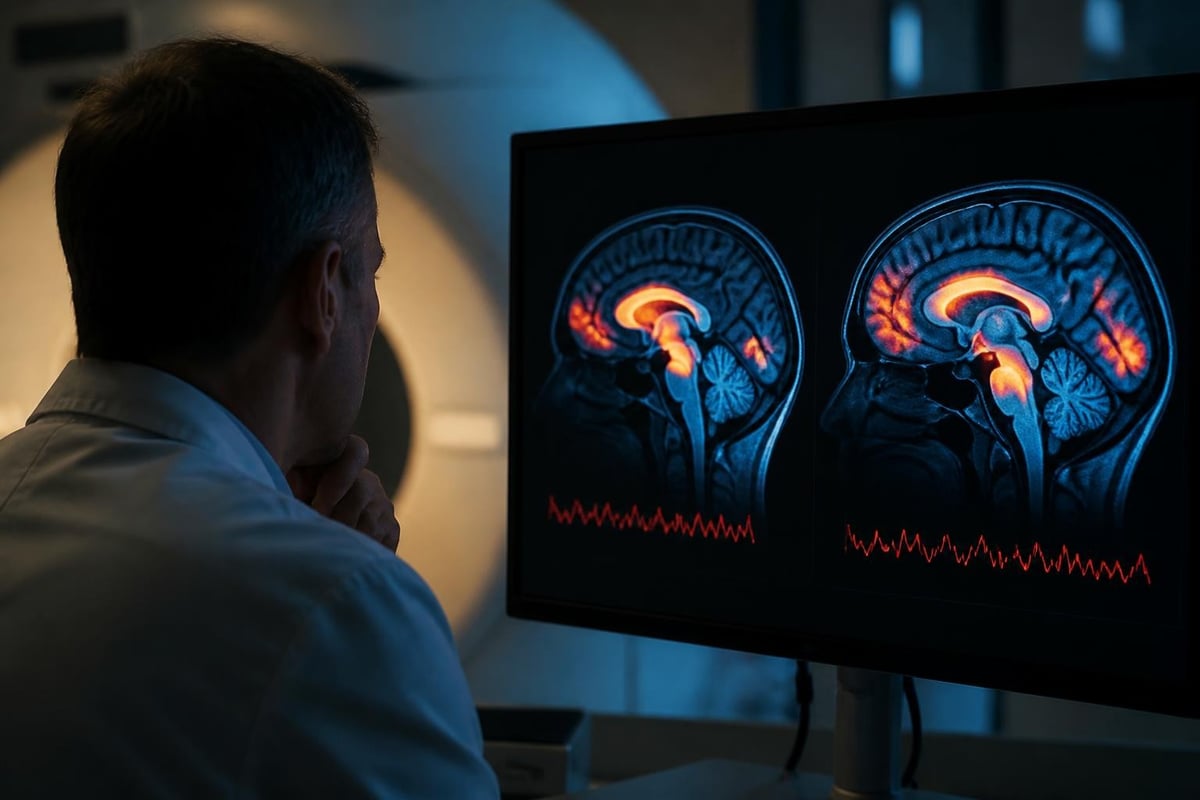
Studies using fMRI imaging reveal that psilocybin decreases activity in the default mode network, the brain region associated with self-referential thinking and rumination. This temporary disruption may explain why users often report breakthrough insights and altered perspectives.
Safety Protocols and Harm Reduction
Responsible use of polkadot magic mushrooms requires attention to multiple safety considerations. The psychedelic experience, while generally physically safe, demands psychological preparation and environmental awareness.
Set and Setting Fundamentals
The concepts of set (mindset) and setting (environment) form the foundation of safe psychedelic exploration:
Set preparation involves examining your intentions, current mental state, and readiness for potentially challenging experiences. Avoid using polkadot magic mushrooms during periods of acute stress, mental instability, or when facing imminent responsibilities.
Setting optimization means creating a safe, comfortable space free from interruptions. Consider factors like lighting, temperature, available amenities, and the presence of trusted individuals who can provide support if needed.
Contraindications and Risk Factors
Certain individuals should avoid polkadot magic mushrooms entirely or exercise extreme caution:
- Personal or family history of schizophrenia or psychosis
- Severe cardiovascular conditions
- Pregnancy or breastfeeding
- Current use of certain medications (especially SSRIs, MAOIs, or lithium)
- Unstable mental health conditions
Drug interactions require particular attention, as combining psilocybin with certain substances can produce dangerous effects or significantly diminish the experience. Always research potential interactions thoroughly.
Preparation and Consumption Methods
Proper preparation maximizes both safety and the potential for meaningful experiences with polkadot magic mushrooms. Multiple consumption methods exist, each with distinct advantages and onset characteristics.
Consumption Techniques
| Method | Onset Time | Duration | Advantages |
|---|---|---|---|
| Dried mushrooms (chewed) | 20-45 min | 4-6 hours | Traditional, dose control |
| Lemon tek | 15-30 min | 3-5 hours | Faster onset, reduced nausea |
| Tea infusion | 15-40 min | 4-5 hours | Gentle on stomach |
| Capsules | 30-60 min | 4-6 hours | Precise dosing, no taste |
| Chocolate | 30-50 min | 4-6 hours | Pleasant flavor |
The lemon tek method involves soaking ground polkadot magic mushrooms in lemon or lime juice for 15 to 20 minutes before consumption. The citric acid begins converting psilocybin to psilocin outside the body, potentially creating a faster onset and more intense peak.
Dosage Considerations
Starting with conservative doses allows you to understand your individual sensitivity to polkadot magic mushrooms. First-time users should begin with 1.0 to 1.5 grams in a safe setting with experienced support available.
Body weight, metabolism, and previous experience all influence optimal dosage. Keep detailed notes about each experience, including dose, setting, effects, and insights. This personal database helps refine your approach over time.
Wait at least two weeks between experiences to allow tolerance to reset completely. Psilocybin tolerance develops rapidly but also dissipates relatively quickly compared to other substances.
Integration and Post-Experience Practices
The integration phase following a polkadot magic mushrooms experience may prove as important as the journey itself. Insights and perspectives gained during altered states require conscious effort to translate into lasting change.
Integration Techniques
Effective integration involves multiple practices:
- Journaling: Writing detailed accounts while memories remain fresh
- Creative expression: Translating experiences through art, music, or movement
- Therapeutic processing: Working with trained integration specialists
- Lifestyle adjustments: Implementing insights into daily routines
- Community connection: Sharing experiences with trusted, understanding individuals
Many people find that the most profound changes emerge gradually over weeks and months following experiences rather than immediately. Patience with the integration process allows insights to unfold organically.

Microdosing Protocols
Microdosing polkadot magic mushrooms has gained popularity as an alternative approach to full psychedelic experiences. This practice involves taking sub-perceptual doses (typically 0.1 to 0.3 grams) on a regular schedule.
Common protocols include:
- Fadiman Protocol: Dose every third day (day on, two days off)
- Stamets Stack: Daily dosing with supporting supplements
- Intuitive dosing: Listening to your body and dosing as needed
- Two days on, two days off: Alternative regular schedule
Reported microdosing benefits include enhanced focus, improved mood, increased creativity, and better emotional regulation. However, research into microdosing remains preliminary, with placebo effects potentially explaining some reported benefits.
Legal Considerations and Future Outlook
The legal status of polkadot magic mushrooms varies dramatically across jurisdictions. In the United States, psilocybin remains a Schedule I controlled substance federally, though several cities and states have enacted decriminalization measures or therapeutic exemptions.
Evolving Legal Landscape
As of 2026, the regulatory environment continues shifting:
- Oregon and Colorado have implemented regulated psilocybin therapy programs
- Multiple municipalities across North America have decriminalized possession
- Clinical research exemptions allow continued scientific investigation
- International approaches vary from complete prohibition to regulated access
This rapidly changing landscape requires staying informed about local regulations and approaching polkadot magic mushrooms with appropriate legal awareness and discretion.
Research Trajectory
Academic and clinical research into psilocybin continues expanding. Current studies examine applications for PTSD, addiction, eating disorders, and end-of-life anxiety. The FDA has granted breakthrough therapy designation for psilocybin treatment of depression, accelerating the approval pathway.
Future developments may include standardized dosing protocols, enhanced therapeutic frameworks, and potentially legal access through medical channels. The growing body of evidence supporting therapeutic applications drives momentum toward policy reform.
Quality and Source Considerations
Ensuring quality and purity when obtaining polkadot magic mushrooms protects both safety and experience quality. Multiple factors determine the integrity of any psychedelic material.
Identifying Quality Specimens
High-quality polkadot magic mushrooms exhibit several characteristics:
- Proper drying: Cracker-dry texture without moisture or mold
- Intact structure: Minimal crumbling or degradation
- Clean appearance: Free from contamination or foreign material
- Appropriate color: Natural tones without unusual discoloration
- Fresh aroma: Earthy, mushroom scent without chemical odors
Storage practices significantly impact longevity and potency. Keep dried polkadot magic mushrooms in airtight containers with desiccant packets, stored in cool, dark locations. Properly preserved specimens maintain potency for a year or longer.
Testing and Verification
Advanced harm reduction includes testing substances before consumption. While psilocybin reagent tests have limitations, they provide basic verification of presence and can identify certain adulterants.
For maximum safety assurance, laboratory testing services analyze psilocybin content, confirm species identification, and screen for contaminants. Though not always accessible, professional testing represents the gold standard for verification.
Understanding polkadot magic mushrooms requires appreciating both their unique characteristics and their place within the broader landscape of psilocybin exploration. Whether approaching these substances for therapeutic healing, personal growth, or spiritual inquiry, informed and intentional use maximizes benefits while minimizing risks. Toms Psychedelic Delivery provides premium psychedelic products curated for safe, mindful exploration, supporting your journey with quality materials and educational resources. Explore responsibly and discover what these remarkable fungi can offer your path of personal development.
