
Microdosing
Oregon Mushroom Chocolate: Safety, Quality & Regulation

Oct
Oregon has emerged as a pioneer in regulated psilocybin access, creating a unique marketplace where mushroom-derived products meet rigorous safety standards. Oregon mushroom chocolate represents a significant evolution in how consumers can engage with psilocybin, combining the therapeutic potential of magic mushrooms with the convenience and palatability of edible formats. As the first state to establish a comprehensive regulatory framework for psilocybin services, Oregon has set standards that govern everything from cultivation and extraction to manufacturing, testing, and distribution of these products. Understanding the landscape of regulated mushroom chocolate in Oregon requires examining the legal framework, quality assurance measures, manufacturing processes, and consumer safety considerations that define this emerging market.
Oregon’s Psilocybin Services Framework
The Oregon Psilocybin Services program established a regulatory infrastructure unlike anything previously seen in the United States. Voters approved Measure 109 in November 2020, directing the Oregon Health Authority to develop a licensing and regulatory framework for psilocybin product manufacturers, service centers, and facilitators.
This framework creates distinct pathways for legal psilocybin access. Licensed manufacturers can produce various psilocybin formulations, including oregon mushroom chocolate products, under strict oversight. Service centers provide supervised administration environments where trained facilitators guide clients through psilocybin experiences. Testing laboratories ensure product safety and potency through comprehensive analytical testing.
Licensing Categories and Requirements
The regulatory structure divides participants into specific license categories, each with unique responsibilities and compliance requirements:
- Manufacturers: Cultivate mushrooms, extract psilocybin, and formulate products including chocolates
- Testing Laboratories: Analyze products for potency, contaminants, and adulterants
- Service Centers: Provide supervised administration environments
- Facilitators: Guide and support clients through psilocybin sessions
| License Type | Primary Function | Key Requirement |
|---|---|---|
| Manufacturer | Product creation | Good manufacturing practices, facility standards |
| Testing Lab | Quality assurance | ORELAP accreditation, validated methods |
| Service Center | Administration setting | Safety protocols, client screening |
| Facilitator | Client support | Training completion, background check |
Each manufacturer producing oregon mushroom chocolate must demonstrate compliance with facility standards, implement quality control systems, and maintain detailed batch records. The regulatory framework ensures traceability from cultivation through final product distribution.

Manufacturing Standards for Psilocybin Chocolate
Creating compliant oregon mushroom chocolate requires adherence to manufacturing standards that parallel those in pharmaceutical and food industries. Manufacturers must establish controlled environments that prevent contamination, ensure consistent dosing, and maintain product stability throughout shelf life.
Good Manufacturing Practices (GMP) form the foundation of production requirements. These practices encompass facility design, equipment maintenance, personnel training, and process validation. Every batch of mushroom chocolate undergoes documented procedures that track ingredients, processing parameters, and quality checkpoints.
Ingredient Sourcing and Quality Control
The chocolate base used in psilocybin products must meet food safety standards while complementing the active ingredients. Manufacturers select chocolate formulations that maintain stability, mask any undesirable flavors from mushroom extracts, and provide consistent melting characteristics for uniform dosing.
Psilocybin content comes from cultivated Psilocybe mushrooms grown under controlled conditions. Cultivators monitor environmental parameters including temperature, humidity, light exposure, and substrate composition. This controlled cultivation produces mushrooms with predictable psilocybin concentrations, essential for creating standardized chocolate products.
Quality control begins with raw material testing. Incoming mushrooms undergo analysis to verify species identification and measure psilocybin content. Chocolate ingredients are screened for heavy metals, microbial contamination, and allergens. This front-end verification prevents quality issues from entering the manufacturing process.
Extraction and Formulation Processes
Converting whole mushrooms into chocolate products typically involves extraction processes that isolate and concentrate psilocybin compounds. Manufacturers may use water-based extraction, alcohol extraction, or other methods to create concentrated extracts that blend uniformly into chocolate matrices.
The formulation phase combines psilocybin extract with chocolate base, ensuring even distribution throughout the mixture. Proper mixing techniques prevent “hot spots” where psilocybin concentrates unevenly. Temperature control during chocolate processing preserves psilocybin stability while achieving desired texture and mouthfeel.
Dosing accuracy represents a critical manufacturing challenge. Each piece of oregon mushroom chocolate must contain the intended psilocybin amount within narrow tolerance ranges. Manufacturers validate their processes through repeated testing, demonstrating that production methods consistently deliver accurate doses across thousands of units.
Laboratory Testing and Quality Assurance
Oregon requires comprehensive testing of all psilocybin products before they reach consumers. The Oregon Environmental Laboratory Accreditation Program provides oversight of laboratories that analyze mushroom chocolate and other psilocybin products, ensuring these facilities maintain technical competency and follow validated analytical methods.
Testing protocols address multiple safety and quality parameters. Potency testing quantifies psilocybin and psilocin content, verifying that labeled doses match actual content. Contaminant screening detects pesticides, heavy metals, residual solvents, and microbial pathogens. Adulterant testing identifies any undisclosed psychoactive compounds.
Why Testing Matters for Consumer Safety
Recent research has revealed concerning adulteration in unregulated mushroom products. A comprehensive analysis of commercial psilocybin edibles found that some products marketed as mushroom-derived actually contained synthetic tryptamines, muscimol from Amanita muscaria, or cannabinoids rather than psilocybin. This research underscores the importance of regulated manufacturing and independent laboratory verification.
Oregon’s testing requirements protect consumers from several risks:
- Mislabeled potency: Ensures accurate dosing information for safe experiences
- Microbial contamination: Screens for dangerous bacteria, molds, and fungi
- Chemical adulterants: Detects undisclosed synthetic compounds or substitutions
- Heavy metals: Identifies toxic elements that may accumulate in mushrooms
- Pesticide residues: Verifies absence of agricultural chemicals
Testing laboratories must achieve and maintain accreditation, demonstrating their ability to perform analyses accurately and reproducibly. This accreditation process includes proficiency testing, method validation, and regular audits of laboratory practices.

Legal Compliance and Packaging Requirements
Statutory requirements governing oregon mushroom chocolate extend beyond manufacturing into packaging, labeling, and distribution. Oregon’s psilocybin legislation establishes detailed specifications that manufacturers must follow to ensure consumer safety and prevent diversion.
Packaging must be child-resistant, opaque, and tamper-evident. These requirements prevent accidental consumption by children and unauthorized access while maintaining product integrity. Each package displays mandatory information including psilocybin content, serving size, manufacturing date, and batch number for traceability.
Labeling Standards and Consumer Information
Labels on mushroom chocolate products communicate essential safety information and usage guidance. Required elements include:
- Total psilocybin content per package and per serving
- Ingredient list identifying all components including allergens
- Manufacturer identification and license number
- Storage instructions to maintain product stability
- Health warnings about contraindications and risks
Additional labeling may include onset time expectations, duration of effects, and recommendations for preparation and setting. This information helps consumers make informed decisions about their psilocybin use.
Distribution restrictions limit oregon mushroom chocolate to licensed service centers where trained facilitators supervise consumption. This supervised model differs from cannabis regulations, reflecting psilocybin’s unique therapeutic context and the importance of set and setting in psychedelic experiences.
Therapeutic Applications and Consumer Considerations
Oregon’s psilocybin program emerged from growing evidence of therapeutic benefits for mental health conditions. Research continues to demonstrate psilocybin’s potential for addressing treatment-resistant depression, anxiety, and existential distress in terminally ill patients.
Magic mushrooms have shown promise in clinical settings for major depressive disorder and treatment-resistant depression. Patients experiencing existential anxiety related to terminal illness have reported significant relief following psilocybin-assisted therapy sessions. These therapeutic applications extend to chocolate formulations when manufactured to appropriate standards and consumed in supportive environments.
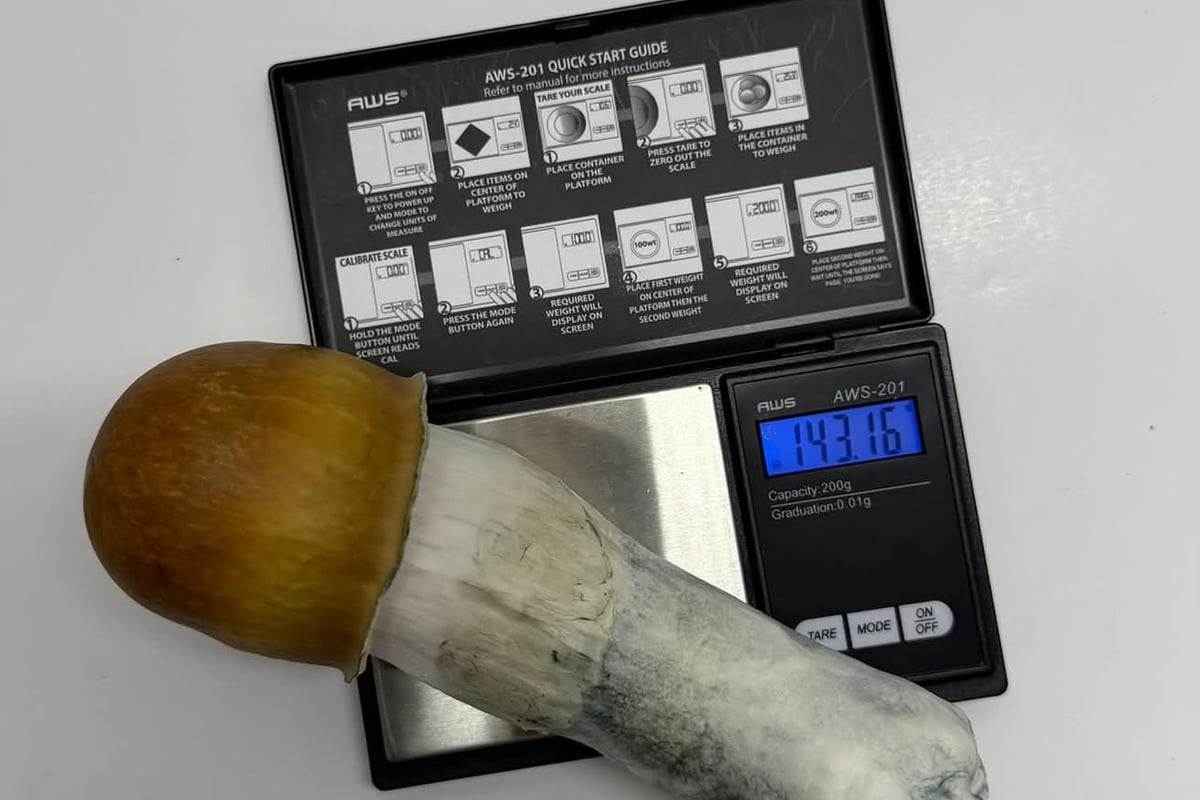
The convenience and palatability of oregon mushroom chocolate make it an attractive option for individuals seeking psilocybin experiences. Chocolate masks the earthy, sometimes unpleasant taste of whole mushrooms while providing predictable dosing that supports intentional therapeutic work. However, consumers should understand that chocolate format doesn’t change psilocybin’s profound psychological effects or the importance of proper preparation.
Preparing for a Psilocybin Experience
Successful psilocybin sessions require thoughtful preparation regardless of product format. Licensed facilitators in Oregon guide clients through preparation processes that optimize safety and therapeutic outcomes.
Key preparation elements include:
- Medical screening: Identifying contraindications and potential risks
- Intention setting: Clarifying goals and expectations for the experience
- Environmental planning: Creating safe, comfortable settings
- Integration planning: Preparing for post-experience reflection and growth
- Support systems: Ensuring access to trained facilitators during and after sessions
Individual factors influence how people respond to psilocybin. Body weight, metabolism, previous psychedelic experience, mental health status, and current medications all affect experience intensity and quality. Facilitators assess these factors during client intake and preparation sessions.
Dosing Guidelines and Experience Considerations
Understanding appropriate dosing represents a crucial safety consideration for oregon mushroom chocolate consumers. Psilocybin doses are typically categorized into ranges that produce distinct experience types, from subtle perceptual shifts to profound mystical experiences.
| Dose Range | Psilocybin Content | Typical Effects | Experience Level |
|---|---|---|---|
| Microdose | 0.1-0.5mg | Subtle mood elevation, no hallucinations | Sub-perceptual |
| Low | 5-10mg | Mild euphoria, enhanced perception | Threshold |
| Moderate | 10-25mg | Visual patterns, emotional opening | Full psychedelic |
| High | 25-40mg | Intense visuals, ego dissolution | Deep journey |
These ranges provide general guidance, but individual responses vary significantly. First-time consumers typically begin with lower doses to assess personal sensitivity. Experienced users may work with higher doses in therapeutic contexts under professional supervision.
Oregon’s service center model ensures that consumption occurs with facilitator support, reducing risks associated with challenging experiences. Facilitators help clients navigate difficult emotions, manage anxiety, and integrate insights that emerge during sessions.
Onset, Duration, and After-Effects
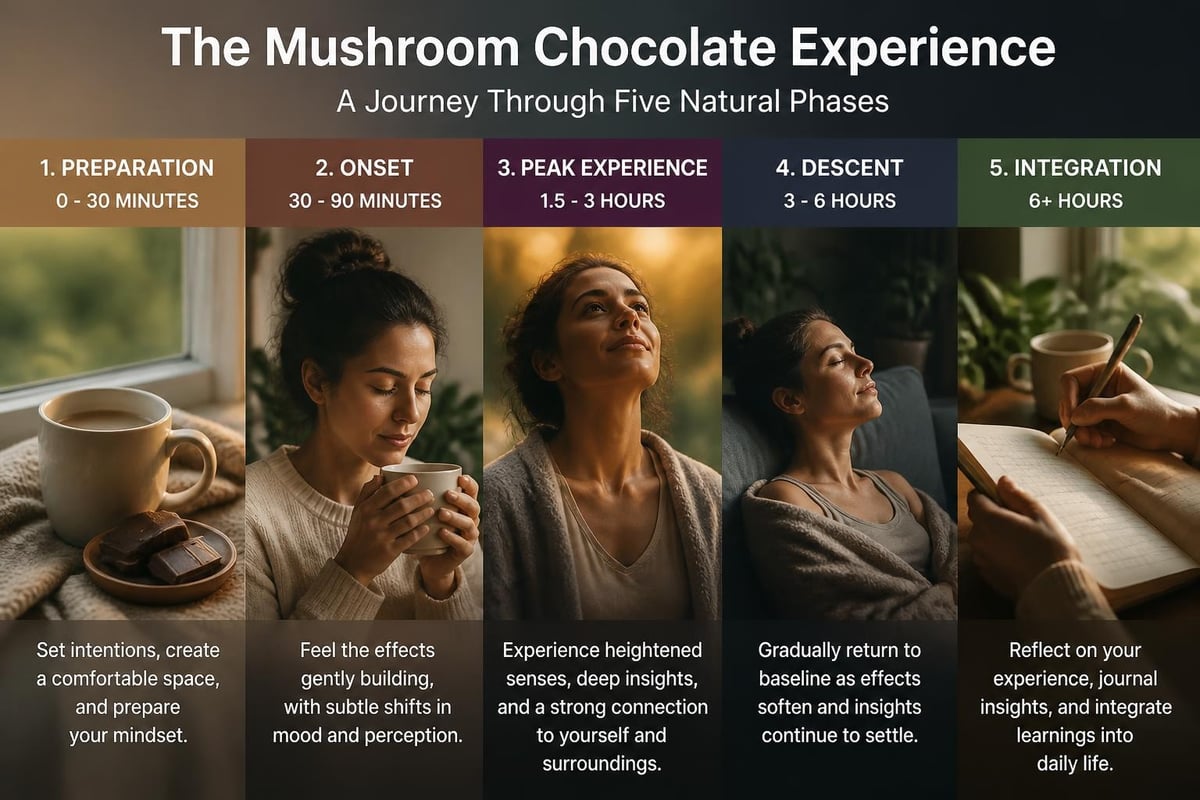
Chocolate formulations may affect psilocybin pharmacokinetics compared to whole mushrooms. The digestive process for chocolate-based products typically produces onset within 30-60 minutes, with peak effects occurring 2-3 hours after consumption. Total experience duration ranges from 4-6 hours for moderate doses.
After-effects often include an “afterglow” period characterized by elevated mood, increased openness, and enhanced cognitive flexibility. These positive after-effects can persist for days or weeks following sessions. Some individuals experience temporary fatigue or emotional sensitivity during the integration period.
Quality Indicators and Product Selection
Consumers in Oregon’s regulated market benefit from transparency requirements that allow informed product selection. Understanding quality indicators helps individuals choose oregon mushroom chocolate products that meet their needs and safety standards.
Premium products demonstrate several quality markers:
- Complete testing results: COA (Certificate of Analysis) showing potency and purity
- Clear provenance: Transparent sourcing of mushrooms and ingredients
- Proper packaging: Child-resistant, opaque, tamper-evident containers
- Detailed labeling: Comprehensive information about content and usage
- Manufacturer reputation: Licensed facilities with quality track records
Certificates of Analysis provide the most objective quality information. These laboratory reports verify that products contain stated psilocybin amounts, fall within acceptable limits for contaminants, and are free from undisclosed adulterants. Reputable manufacturers make COAs readily available to service centers and consumers.
Evaluating Manufacturing Practices
While consumers cannot directly inspect manufacturing facilities, certain indicators suggest quality production practices. Products from licensed manufacturers operating under Oregon Health Authority oversight inherently meet baseline standards. Additional quality signals include:
- Batch number traceability enabling product recalls if needed
- Consistent product appearance and texture across purchases
- Stable shelf life without degradation of potency
- Professional packaging that maintains product integrity
- Clear communication channels with manufacturers
The public health perspective on Oregon’s Psilocybin Services emphasizes that regulatory oversight creates accountability mechanisms absent in unregulated markets. Licensed manufacturers face consequences for producing substandard products, creating incentives for quality maintenance.
Storage and Shelf Life Considerations
Proper storage extends the shelf life of oregon mushroom chocolate while maintaining psilocybin potency. Environmental factors including temperature, light exposure, humidity, and oxygen contact all influence product degradation rates.
Optimal storage conditions include:
- Cool temperatures: 60-70°F prevents melting and slows chemical degradation
- Darkness: Opaque packaging or dark storage locations protect from light
- Low humidity: Dry environments prevent moisture absorption and mold growth
- Sealed containers: Airtight packaging limits oxygen exposure
Psilocybin demonstrates reasonable stability under proper storage conditions, with minimal potency loss over 12-24 months. However, chocolate matrices may experience quality changes affecting texture and taste even when psilocybin content remains stable.
Manufacturers typically assign expiration dates based on stability testing that monitors both psilocybin content and overall product quality. Consumers should respect these dates and avoid consuming products showing signs of degradation such as discoloration, unusual odors, or texture changes.
The Role of Education and Harm Reduction
Oregon’s regulatory framework incorporates educational components designed to promote safe, informed psilocybin use. Facilitator training programs cover pharmacology, therapeutic approaches, crisis management, and integration support. This educational foundation ensures that professionals guiding psilocybin experiences possess relevant knowledge and skills.
Consumer education extends beyond facilitator interactions. Service centers provide preparation materials, orientation sessions, and integration support that help clients maximize therapeutic benefits while minimizing risks. This comprehensive approach recognizes that oregon mushroom chocolate, despite its familiar format, contains powerful compounds requiring respectful, intentional use.
Harm reduction principles guide Oregon’s psilocybin services model. Rather than prohibiting use, the framework reduces risks through regulation, testing, supervision, and education. This approach acknowledges that people will seek psilocybin experiences and focuses on making those experiences as safe and beneficial as possible.
Contraindications and Risk Factors
Certain individuals should avoid psilocybin or use it only with extreme caution and medical supervision. Contraindications include:
- Personal or family history of psychotic disorders
- Severe cardiovascular conditions
- Current use of certain psychiatric medications
- Pregnancy or breastfeeding
- Severe anxiety or panic disorders
Facilitators screen clients for these risk factors during intake processes. Medical consultation may be recommended for individuals with complex health histories or those taking medications that could interact with psilocybin.
Future Developments in Oregon’s Psilocybin Market
The oregon mushroom chocolate market continues evolving as manufacturers refine formulations, testing laboratories develop more sophisticated analytical methods, and regulators respond to emerging challenges. Industry participants anticipate several developments that may shape the market in coming years.
Product innovation will likely produce diverse chocolate formulations targeting different use cases. Microdosing products with precise low-dose segments may become more prevalent. Extended-release formulations could modify experience timelines. Combination products incorporating complementary functional mushrooms might emerge.
Regulatory refinements will address gaps and challenges identified during initial implementation. Testing requirements may expand to cover additional parameters. Manufacturing standards could become more detailed as the industry matures. Distribution models might evolve to increase access while maintaining safety controls.
Research initiatives will generate new data about psilocybin’s therapeutic applications, optimal dosing strategies, and long-term outcomes. This evidence base will inform both clinical practices and regulatory policies, potentially expanding the conditions for which psilocybin services are recommended.
Oregon’s regulated approach to mushroom chocolate demonstrates how evidence-based policy can provide safe access to psilocybin while protecting public health through rigorous manufacturing and testing standards. The combination of quality assurance, professional oversight, and consumer education creates an environment where individuals can explore psilocybin’s therapeutic potential with confidence. Whether you’re seeking support for mental health challenges or interested in personal growth through psychedelic experiences, Toms Psychedelic Delivery offers premium products and expert guidance to support your intentional journey with psilocybin and other consciousness-expanding compounds.
