
Microdosing
Mushroom Gummies: Benefits, Types & Safe Use in 2026

Sep
Mushroom gummies have emerged as one of the fastest-growing segments in both the functional wellness and psychedelic markets, offering a convenient, precisely dosed alternative to traditional consumption methods. These innovative products combine ancient mycological wisdom with modern supplement science, delivering everything from immune support and cognitive enhancement to therapeutic psilocybin experiences in a familiar, accessible format. As consumer interest in both functional mushrooms and psychedelic therapy continues to surge in 2026, understanding the nuances of mushroom gummies becomes essential for anyone seeking intentional, safe exploration of these powerful natural compounds.
The Science Behind Mushroom Gummy Formulations
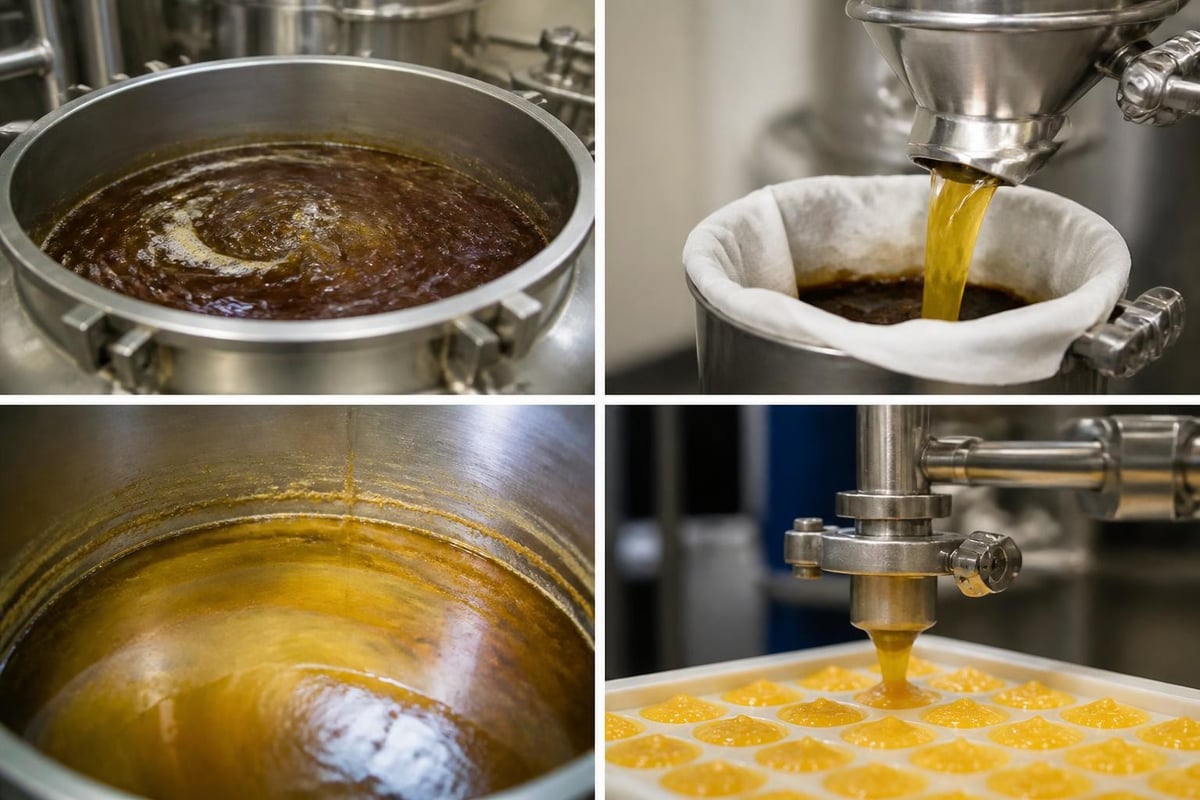
The creation of effective mushroom gummies requires sophisticated extraction and formulation techniques that preserve bioactive compounds while achieving stable, palatable results. Unlike simple dried mushroom powders, quality gummies utilize hot water extraction, dual extraction (water and alcohol), or supercritical CO2 methods to concentrate the key constituents-beta-glucans, triterpenoids, ergothioneine, and in the case of psilocybin varieties, the psychoactive tryptamines.
Extraction Methods and Bioavailability
The extraction process determines both the potency and bioavailability of the final product. Traditional fruiting body extracts typically undergo a multi-stage process:
- Hot water extraction pulls polysaccharides and beta-glucans
- Alcohol extraction captures triterpenes and other non-water-soluble compounds
- Concentration and standardization ensures consistent active compound levels
- Gelatin or pectin base integration for the gummy matrix
According to a comprehensive review of medicinal fungi, the bioactive compounds in mushrooms vary significantly based on extraction methodology, with dual-extraction protocols often yielding the most complete spectrum of beneficial constituents. This scientific foundation explains why premium mushroom gummies command higher prices-the extraction quality directly impacts therapeutic efficacy.
Quality Markers and Standardization
Professional formulations standardize for specific compounds. For functional mushroom gummies, this means verified percentages of beta-glucans (typically 20-40%) and other measurable actives. For psilocybin products, precise milligram dosing of psilocybin and psilocin becomes paramount for predictable, safe experiences.
| Quality Indicator | Functional Mushrooms | Psilocybin Mushrooms |
|---|---|---|
| Primary Active | Beta-glucans, triterpenes | Psilocybin, psilocin |
| Typical Standardization | 20-40% polysaccharides | 0.5-5mg psilocybin per gummy |
| Testing Requirements | Heavy metals, contaminants | Potency, purity, mycotoxins |
| Shelf Stability | 18-24 months | 12-18 months (varies) |
Functional Mushroom Gummies for Daily Wellness
Functional mushroom gummies incorporate non-psychedelic species renowned for immune modulation, cognitive support, and stress adaptation. These products have transitioned from niche health food stores to mainstream wellness routines, with varieties featuring lion’s mane, reishi, cordyceps, chaga, and turkey tail as primary ingredients.
Popular Functional Species and Their Benefits
Lion’s Mane (Hericium erinaceus) leads the cognitive enhancement category, with research suggesting support for nerve growth factor production and neuroprotection. Gummies typically contain 500-1000mg of concentrated extract standardized for hericenones and erinacines.
Reishi (Ganoderma lucidum) dominates the stress-adaptation and immune-support market. As discussed in resources from Harvard Health Publishing, while traditional use is extensive, consumers should maintain realistic expectations about benefit timelines and magnitudes.
Cordyceps formulations target energy and athletic performance, with cordycepin as the key bioactive. Athletes and active individuals gravitate toward these for endurance support without stimulant side effects.
- Turkey tail supports gut health and immune function
- Chaga provides antioxidant capacity
- Combination formulas offer synergistic multi-mushroom benefits
- Adaptogen blends pair mushrooms with ashwagandha or rhodiola
Clinical Evidence and Limitations
A systematic review of clinical studies examining medicinal mushroom supplements reveals promising but often preliminary evidence. Many trials show immune parameter improvements and quality of life benefits, particularly in supportive care contexts, but researchers note the need for larger, longer-duration studies with standardized extracts.
The functional mushroom gummy market benefits from this growing evidence base while acknowledging that definitive clinical proof for specific health claims remains under development for many applications.
Psilocybin Mushroom Gummies for Therapeutic Use
Psilocybin mushroom gummies represent a significant innovation in psychedelic consumption, offering precise dosing, discretion, and a more pleasant sensory experience compared to raw dried mushrooms. These products cater to both microdosing protocols and full therapeutic journeys.
Dosing Frameworks and Applications
Microdosing regimens typically utilize gummies containing 50-300mg of dried mushroom equivalent (roughly 0.5-3mg psilocybin). Users follow schedules like the Fadiman protocol (one day on, two days off) or the Stamets stack (four days on, three days off) for sub-perceptual cognitive and mood benefits.
Threshold to moderate doses (1-2 grams dried equivalent, 10-20mg psilocybin) facilitate introspection, creativity enhancement, and emotional processing. These experiences last 4-6 hours and suit intentional therapeutic work with proper set and setting.
Full therapeutic doses (2.5-5 grams equivalent, 25-50mg psilocybin) produce profound mystical experiences that research associates with sustained improvements in treatment-resistant depression and anxiety disorders. For those exploring magic mushrooms for conditions like major depressive disorder or end-of-life anxiety, gummies offer a controlled introduction to these powerful compounds with predictable onset and duration.
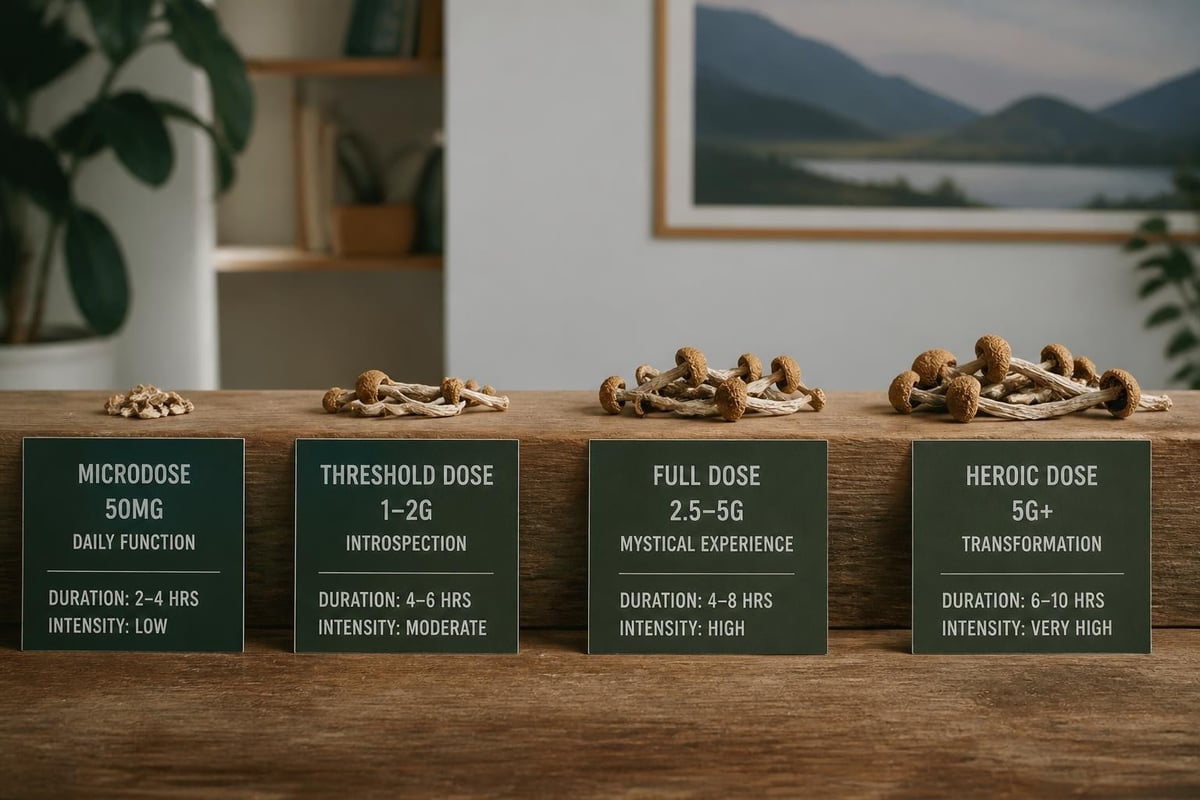
| Dose Level | Psilocybin Amount | Primary Applications | Duration | Experience Character |
|---|---|---|---|---|
| Microdose | 0.5-3mg | Focus, mood, creativity | Sub-perceptual | Subtle background shift |
| Threshold | 5-10mg | Introspection, mindfulness | 3-5 hours | Gentle awareness shift |
| Moderate | 10-25mg | Therapeutic processing | 4-6 hours | Clear psychedelic effects |
| Full | 25-50mg+ | Deep healing, mystical | 6-8 hours | Profound transformation |
Safety and Contraindications
Psilocybin mushroom gummies carry the same safety profile and contraindications as traditional mushroom consumption. Individuals with personal or family history of psychotic disorders should avoid use. Those taking SSRIs or other serotonergic medications may experience diminished effects or, rarely, serotonin syndrome risk.
Proper screening, integration support, and harm reduction practices remain essential regardless of consumption format. The precision of gummies actually enhances safety by eliminating dosing uncertainty-a common issue with whole dried mushrooms of variable potency.
Manufacturing Standards and Quality Control
The mushroom gummy industry faces unique quality challenges that responsible manufacturers address through rigorous testing and transparent sourcing. Understanding these quality markers helps consumers distinguish premium products from inferior alternatives.
Contamination Risks and Testing Protocols
Mushrooms bioaccumulate environmental contaminants, making source verification critical. Quality manufacturers test for:
- Heavy metals (lead, cadmium, mercury, arsenic)
- Pesticide residues
- Microbial contamination (E. coli, Salmonella, molds)
- Mycotoxin presence, as outlined in WHO guidelines on fungal toxins
Independent third-party laboratory testing provides the gold standard, with certificates of analysis (COAs) available for verification. Organizations like ConsumerLab evaluate mushroom supplements using standardized protocols that reveal common quality issues including mislabeling, contamination, and underdosing.
Sourcing and Sustainability Considerations
Premium mushroom gummies utilize organically cultivated fruiting bodies rather than mycelium-on-grain (which contains mostly grain starch, not mushroom compounds). Geographic sourcing matters-North American and European cultivators often maintain stricter quality controls than some Asian suppliers, though reputable producers exist globally.
Sustainable cultivation practices include:
- Controlled environment farming reducing contamination
- Organic substrate materials
- Water conservation systems
- Minimal processing waste through full-spectrum extraction
For psilocybin products, cultivation under controlled conditions ensures genetic consistency and potency standardization impossible with wild-harvested specimens.
Integration with Wellness Routines
Mushroom gummies integrate seamlessly into established wellness practices, offering flexibility that dried mushrooms or teas cannot match. Strategic incorporation maximizes benefits while maintaining convenience.
Functional Mushroom Daily Protocols
Morning cognitive support: Lion’s mane gummies taken with breakfast support focus throughout the workday. Pairing with caffeine creates a balanced energy profile without jitters.
Evening stress management: Reishi gummies consumed 1-2 hours before bed promote relaxation and sleep quality. The calming triterpenes complement meditation or gentle yoga practices.
Pre-workout energy: Cordyceps gummies 30-45 minutes before exercise may enhance endurance and oxygen utilization, particularly for cardio-intensive activities.

Consistency proves more important than timing for many functional mushroom benefits. Beta-glucan immune effects accumulate over weeks of regular use rather than producing immediate results.
Psilocybin Integration Practices
Microdosing with psilocybin gummies requires thoughtful scheduling. The sub-perceptual effects complement creative work, therapy sessions, or nature immersion. Tracking mood, productivity, and sleep in a journal helps optimize individual protocols.
For therapeutic doses, integration support before and after experiences maximizes lasting benefits. Preparation includes:
- Clarifying intentions and questions
- Arranging safe, comfortable settings
- Scheduling integration time (journaling, therapy, processing)
- Building support networks for discussion and reflection
The precise dosing of gummies allows gradual escalation, letting individuals find their optimal therapeutic range through careful experimentation.
Selecting Quality Mushroom Gummy Products
The expanding mushroom gummy market includes both exceptional products and questionable offerings. Informed selection criteria protect consumers from wasting money on ineffective supplements or, worse, consuming contaminated products.
Label Reading and Verification
Extract ratio and standardization: Quality labels specify extract ratios (like 10:1, meaning 10 grams of mushrooms concentrated into 1 gram of extract) and standardization percentages for key compounds. Vague “proprietary blend” language often signals lower quality.
Fruiting body vs. mycelium: Premium products clearly state “fruiting body extract.” Mycelium products contain significantly less beta-glucans and beneficial compounds.
Third-party testing: Look for batch-specific COAs from accredited laboratories (ISO 17025 certified). Reputable brands make these readily available.
Transparent sourcing: Quality manufacturers disclose cultivation locations and methods, signaling confidence in their supply chain.
For psilocybin products specifically, verified potency testing becomes non-negotiable given the importance of accurate dosing for both safety and efficacy.
Price-Quality Relationships
While cost doesn’t guarantee quality, extremely cheap mushroom gummies usually indicate compromised manufacturing. Extraction processes, quality testing, and organic cultivation add legitimate costs that responsible manufacturers cannot avoid.
A quality functional mushroom gummy typically costs $0.50-$2.00 per serving, while psilocybin varieties command higher prices reflecting legal risks, specialized cultivation, and potency testing requirements.
Storage and Shelf Life Optimization
Proper storage extends mushroom gummy potency and prevents degradation. Unlike some supplements that remain stable under varied conditions, both functional and psilocybin mushroom gummies benefit from specific storage protocols.
Environmental Factors Affecting Stability
Temperature: Cool, stable temperatures (60-75°F) preserve bioactive compounds. Heat accelerates degradation, particularly for psilocybin, which breaks down into less active psilocin and further metabolites above 80°F.
Light exposure: UV radiation degrades both beta-glucans and tryptamines. Amber or opaque containers protect contents, and storage in dark locations adds an extra safeguard.
Moisture control: Gummies are hygroscopic, absorbing atmospheric moisture that promotes microbial growth. Sealed containers with desiccant packets maintain optimal texture and prevent contamination.
Oxygen exposure: Once opened, oxidation begins reducing potency. Vacuum-sealed packaging or containers with minimal headspace slow this process.
Following these guidelines, functional mushroom gummies maintain potency for 18-24 months, while psilocybin varieties remain stable for 12-18 months when properly stored.
Legal and Regulatory Landscape
The legal status of mushroom gummies varies dramatically between functional and psilocybin products, creating a complex regulatory environment that consumers must navigate carefully.
Functional Mushroom Regulations
Functional mushroom gummies containing non-psychoactive species fall under dietary supplement regulations in the United States. The FDA does not approve these products before market entry but requires manufacturers to ensure safety and accurate labeling.
This regulatory framework creates responsibility for consumers to verify quality through third-party testing and manufacturer reputation, as post-market enforcement remains inconsistent.
Psilocybin Legal Status
Psilocybin remains federally illegal in the United States as a Schedule I substance, though several jurisdictions have decriminalized personal possession or created legal therapeutic access frameworks. Oregon’s regulated psilocybin service program, Colorado’s Natural Medicine Health Act, and various municipal decriminalization ordinances create a patchwork of varying legal protections.
Consumers must understand local laws and associated risks. Even in decriminalized areas, purchasing psilocybin products carries potential legal consequences, and crossing state lines with these substances violates federal law regardless of local status.
International laws vary widely, with countries like Canada exploring therapeutic frameworks while others maintain strict prohibition. Anyone considering psilocybin mushroom gummies should thoroughly research applicable laws and consult legal resources.
Potential Side Effects and Risk Management
Both functional and psilocybin mushroom gummies carry potential side effects that informed users should anticipate and manage proactively.
Functional Mushroom Considerations
Most people tolerate functional mushroom gummies well, but some experience:
- Digestive upset (particularly with high-dose reishi)
- Allergic reactions in mushroom-sensitive individuals
- Blood thinning effects with certain species
- Potential medication interactions (particularly with immunosuppressants)
Starting with lower doses and gradually increasing allows individual tolerance assessment. Consulting healthcare providers before adding mushroom supplements prevents dangerous interactions with existing medications.
Psilocybin Experience Management
Psilocybin gummies carry psychological risks requiring careful preparation:
Challenging experiences: Difficult emotions or unsettling perceptions may arise during sessions. Having a trusted sitter, safe environment, and integration support mitigates these challenges and transforms them into therapeutic opportunities.
HPPD and persistent effects: Rare cases of hallucinogen persisting perception disorder occur. Risk factors include high doses, frequent use, and pre-existing mental health conditions.
Cardiovascular effects: Modest increases in heart rate and blood pressure occur during experiences. Individuals with cardiac conditions should exercise extreme caution or avoid use.
Set and setting: Environmental factors profoundly influence psilocybin experiences. Uncomfortable, chaotic, or unsafe settings increase risk of anxiety or panic.
Responsible use protocols minimize these risks while maximizing therapeutic potential. Starting with lower doses, ensuring proper supervision, and maintaining integration practices create frameworks for safe exploration.
Mushroom gummies represent a sophisticated evolution in both functional wellness and psychedelic therapy, offering precise dosing, convenience, and accessibility that traditional formats cannot match. Understanding quality markers, proper dosing, integration practices, and safety considerations empowers informed exploration of these powerful natural compounds. Whether you’re seeking daily cognitive support or therapeutic psilocybin experiences, Toms Psychedelic Delivery provides premium mushroom products curated for safe, intentional use alongside the education and support necessary for transformative personal development.
