
Uncategorized
Magic Mushroom Chocolate: Complete 2026 Guide

Oct
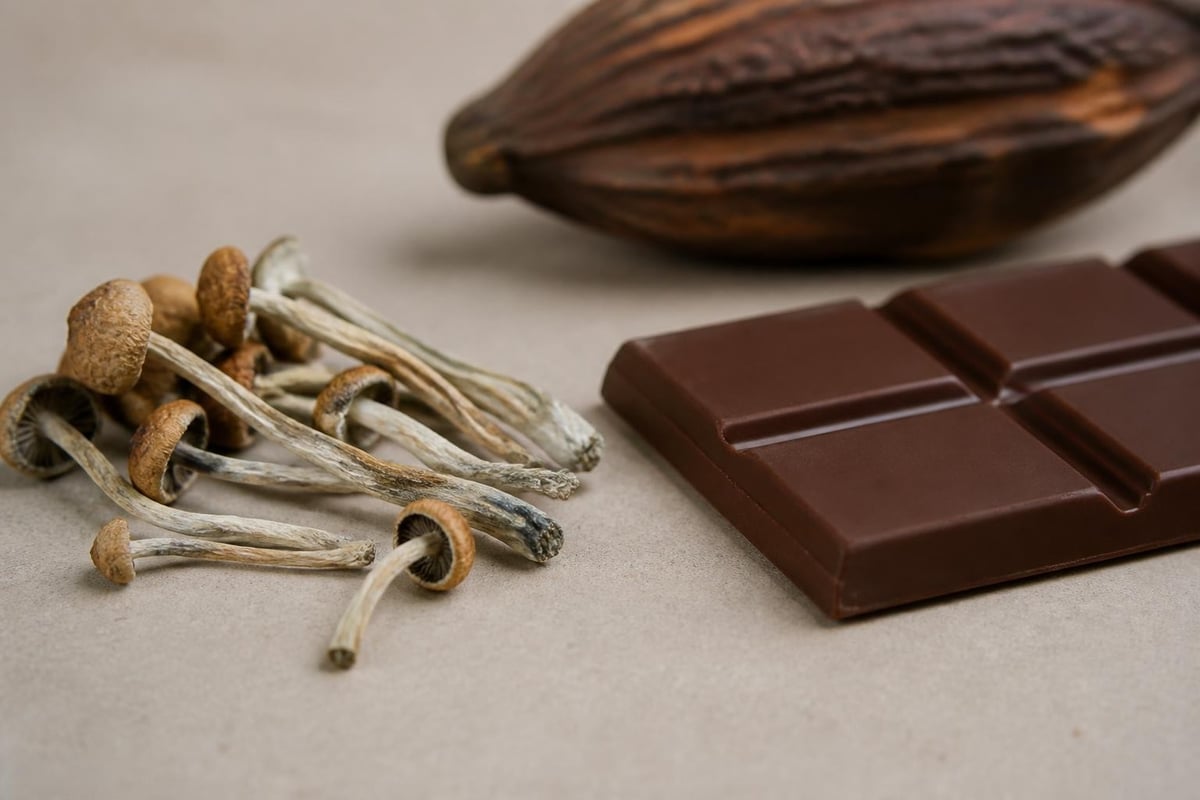
Magic mushroom chocolate has emerged as one of the most popular methods for consuming psilocybin, combining the therapeutic potential of psychedelics with the familiar comfort of chocolate. This edible format offers precise dosing, improved palatability, and a discreet consumption method that appeals to both experienced psychonauts and newcomers exploring psilocybin for personal growth or therapeutic purposes. As research into psilocybin expands and regulatory landscapes shift in 2026, understanding the science, safety considerations, and practical aspects of magic mushroom chocolate becomes essential for informed use.
What Makes Magic Mushroom Chocolate Different
Magic mushroom chocolate stands apart from traditional dried mushrooms or other psilocybin products through its unique delivery mechanism and user experience. The chocolate matrix serves multiple functional purposes beyond simple flavor masking.
Bioavailability and Absorption
The combination of psilocybin with chocolate creates interesting pharmacokinetic considerations. Studies examining psilocin pharmacokinetics after psilocybin administration reveal that oral bioavailability remains consistent across different edible formats, though the presence of fats in chocolate may influence absorption rates. When psilocybin enters the digestive system through chocolate, the cocoa butter content can facilitate a smoother metabolic process.
Key absorption factors include:
- Fat content in chocolate affecting compound solubility
- Sugar content potentially accelerating gastric emptying
- Consistent dosing through homogenized mixtures
- Reduced nausea compared to raw mushroom consumption
The chocolate format also addresses one of the primary complaints about traditional mushroom consumption: the unpleasant taste and texture. By encapsulating the active compounds within a chocolate matrix, manufacturers create a more approachable product for individuals who struggle with the earthy, sometimes bitter flavor of dried psilocybin mushrooms.
Dosing Considerations and Microdosing Protocols
Precise dosing represents one of the most significant advantages of magic mushroom chocolate over traditional mushroom consumption. Mass-produced chocolate bars can be segmented into consistent squares, each containing a predetermined amount of psilocybin.
Standard Dosing Ranges
| Dose Category | Psilocybin Amount | Expected Effects | Typical Use Case |
|---|---|---|---|
| Microdose | 0.1-0.3g | Sub-perceptual | Daily functioning, creativity |
| Threshold | 0.3-1g | Mild perceptual shifts | Social situations, light exploration |
| Standard | 1-2.5g | Moderate psychedelic experience | Therapeutic sessions, introspection |
| Heroic | 3.5g+ | Profound altered states | Deep therapeutic work, experienced users |
Research on microdosing with psilocybin continues to evolve in 2026, with systematic reviews examining both the potential benefits and limitations of low-dose protocols. Magic mushroom chocolate makes microdosing particularly accessible because users can break off small, consistent portions.
For those exploring psilocybin for therapeutic purposes, magic mushrooms have shown remarkable promise in clinical settings for conditions including major depressive disorder and treatment-resistant depression, as well as reducing existential anxiety in terminally ill patients. The chocolate format allows individuals to approach these therapeutic applications with greater control over their dosing schedule.
Calculating Your Dose
Understanding the actual psilocybin content in magic mushroom chocolate requires careful attention to product labeling and source reliability. The total psilocybin content should be clearly stated, along with the number of servings per bar.
Calculation example:
- Chocolate bar: 3.5g total psilocybin mushroom content
- Divided into: 12 equal squares
- Each square contains: approximately 0.29g
- For a 1g dose: consume 3-4 squares
Individual sensitivity varies considerably based on body weight, metabolism, previous psychedelic experience, and even genetic factors affecting serotonin receptor density. First-time users should always start with lower doses to assess personal tolerance.
Manufacturing Quality and Safety Standards
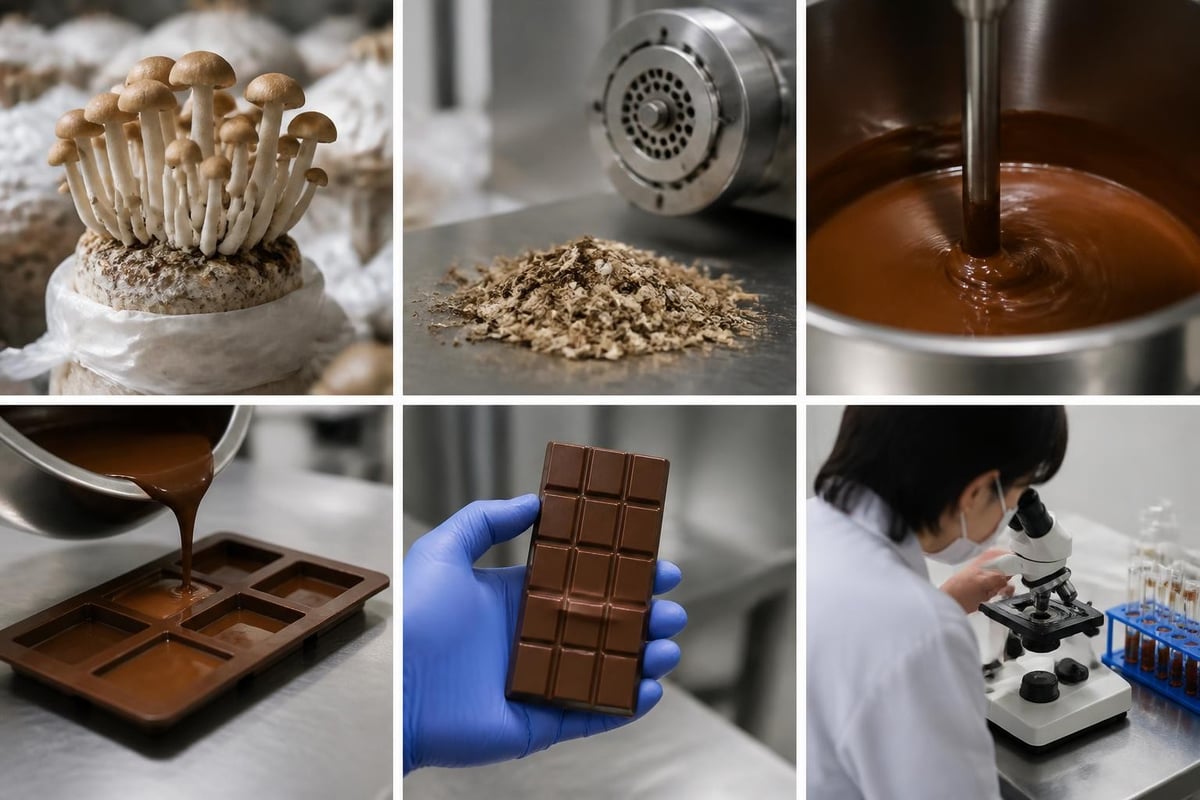
The production of magic mushroom chocolate involves several critical steps that determine both safety and efficacy. Understanding these processes helps consumers make informed decisions about product selection.
Production Methods
Professional manufacturers follow specific protocols to ensure consistent distribution of psilocybin throughout the chocolate matrix. The process typically involves grinding dried mushrooms into a fine powder, which is then thoroughly mixed with melted chocolate at controlled temperatures. Temperature control remains crucial because excessive heat can degrade psilocybin, reducing potency.
Quality indicators include:
- Homogeneous distribution of mushroom powder
- Consistent dosing across all segments
- Proper tempering for stable chocolate structure
- Moisture control to prevent degradation
- Light-protected packaging to preserve potency
Contamination and Purity Concerns
The U.S. National Drug Control Strategy 2026 addresses concerns about unregulated psychedelic products and the risks of contaminated edibles in the illicit market. Without proper oversight, magic mushroom chocolate may contain inconsistent dosing, harmful additives, or misidentified mushroom species.
| Risk Factor | Potential Issue | Mitigation Strategy |
|---|---|---|
| Species misidentification | Toxic mushroom inclusion | Source from verified cultivators |
| Bacterial contamination | Foodborne illness | Proper sterilization protocols |
| Mold growth | Mycotoxin exposure | Climate-controlled storage |
| Heavy metals | Accumulation in mushrooms | Laboratory testing of batches |
| Synthetic adulterants | Unpredictable effects | Third-party verification |
Reputable suppliers invest in laboratory testing to verify psilocybin content and screen for contaminants. Certificates of analysis should accompany premium products, detailing cannabinoid profiles, heavy metal screening, and microbial testing results.
Effects Timeline and Experience Management
The magic mushroom chocolate experience follows a predictable timeline, though individual variations occur based on dosing, set, setting, and personal physiology.
Onset and Duration
Chocolate consumption typically produces effects within 20-45 minutes, slightly faster than dried mushrooms alone. The sugar content may accelerate gastric emptying, while fats in chocolate facilitate absorption. Peak effects generally occur 2-3 hours after consumption, with the total experience lasting 4-6 hours for standard doses.
Typical timeline:
- 0-20 minutes: Initial subtle shifts in perception
- 20-45 minutes: Clear onset of psychedelic effects
- 1-3 hours: Peak experience and intense effects
- 3-4 hours: Gradual descent and integration
- 4-6 hours: Return to baseline with residual afterglow
The chocolate delivery method produces a smoother come-up compared to lemon tekking or other rapid-onset methods. This gradual transition can reduce anxiety during the initial phases of the experience.
Set and Setting Optimization
Regardless of consumption method, psilocybin experiences remain profoundly influenced by psychological state (set) and physical environment (setting). Magic mushroom chocolate does not change these fundamental principles.
Creating an optimal environment involves several considerations. Physical safety should be ensured by choosing a comfortable, familiar location free from obligations or interruptions. Many users prefer natural settings or carefully curated indoor spaces with meaningful objects, comfortable seating, and ambient lighting.
Psychological preparation includes clarifying intentions for the experience, whether therapeutic processing, creative exploration, or spiritual development. Having a trusted sitter present, particularly for higher doses, provides emotional support and practical assistance if needed.

Storage and Shelf Life Considerations
Proper storage significantly impacts the longevity and potency of magic mushroom chocolate. Understanding degradation factors helps preserve product quality over time.
Environmental Factors
Psilocybin degrades when exposed to heat, light, oxygen, and moisture. Chocolate itself remains relatively stable but can bloom (develop white streaks) or become rancid under poor storage conditions. The combination requires careful attention to preservation methods.
Optimal storage conditions:
- Temperature: 60-70°F in cool, dark location
- Humidity: Below 60% relative humidity
- Light exposure: Complete darkness or opaque container
- Air exposure: Vacuum-sealed or tightly wrapped
- Container: Food-grade, airtight packaging
Refrigeration can extend shelf life but introduces moisture concerns. If refrigerating magic mushroom chocolate, use multiple layers of airtight wrapping and allow the product to return to room temperature before opening to prevent condensation.
Potency Degradation Timeline
Under ideal storage conditions, psilocybin in chocolate maintains potency for 12-18 months. However, degradation accelerates under suboptimal conditions. Room temperature storage in dark conditions typically preserves 80-90% potency for 6-12 months.
| Storage Method | Expected Shelf Life | Potency Retention |
|---|---|---|
| Room temperature, dark | 6-12 months | 80-90% |
| Refrigerated, sealed | 12-18 months | 90-95% |
| Frozen, vacuum-sealed | 18-24 months | 95-98% |
| Improper (light, heat) | 1-3 months | 50-70% |
Visual indicators of degradation include color changes in the chocolate, unusual odors, or visible mold growth. Any product showing these signs should be discarded regardless of purchase date.
Legal and Regulatory Landscape in 2026
The legal status of magic mushroom chocolate varies significantly by jurisdiction in 2026, creating a complex landscape for consumers and producers. Understanding these distinctions remains essential for legal compliance and risk management.
Jurisdictional Variations
Several U.S. cities and states have decriminalized psilocybin possession or established regulated therapeutic programs. Oregon's regulated psilocybin service model, established earlier in the decade, has influenced other states considering similar frameworks. However, federal scheduling under the Controlled Substances Act continues to classify psilocybin as Schedule I.
This creates a patchwork of regulations where magic mushroom chocolate may be accessible through licensed facilitators in some locations while remaining completely prohibited in others. International jurisdictions range from complete prohibition to regulated medical access to traditional cultural exemptions.
Product Authenticity and Market Realities
The growing popularity of magic mushroom chocolate has spawned a significant market for both legitimate products and fraudulent alternatives. Some products marketed as containing psilocybin actually contain synthetic compounds, other psychoactive substances, or no active ingredients whatsoever.
Verification strategies include sourcing from established suppliers with transparent production practices, requesting laboratory testing documentation, and engaging with trusted community networks. The premium nature of authentic magic mushroom chocolate justifies higher prices compared to suspiciously inexpensive alternatives.
Integration and Therapeutic Applications
The period following a psilocybin experience often holds as much importance as the journey itself. Integration involves processing insights, emotions, and perspectives gained during the experience into lasting personal development.
Post-Experience Practices
Magic mushroom chocolate experiences frequently generate profound realizations about personal patterns, relationships, or life direction. Without conscious integration work, these insights may fade without producing meaningful change.
Effective integration methods include:
- Journaling immediately after the experience
- Discussing insights with trusted friends or therapists
- Implementing small behavioral changes based on realizations
- Allowing time for emotional processing
- Avoiding immediate major life decisions
Professional integration therapists, increasingly common in 2026, specialize in helping individuals translate psychedelic insights into practical life changes. These practitioners bridge the gap between the extraordinary states accessed during the experience and the ordinary reality of daily functioning.
Therapeutic Context and Clinical Applications
Research throughout the 2020s has established psilocybin as a promising adjunct to psychotherapy for various mental health conditions. The chocolate format does not inherently change therapeutic potential but may increase patient compliance and reduce treatment-related anxiety.
Clinical protocols typically involve preparation sessions, the psilocybin experience itself with therapeutic support, and multiple integration sessions. The dosing precision offered by magic mushroom chocolate aligns well with clinical requirements for standardized treatment protocols.
Harm Reduction and Risk Mitigation
Responsible use of magic mushroom chocolate requires understanding potential risks and implementing strategies to minimize harm. While psilocybin demonstrates a favorable safety profile compared to many substances, risks still exist.
Physiological Considerations
Psilocybin produces minimal physical toxicity with no known lethal dose in humans. However, the experience can produce temporary increases in heart rate and blood pressure. Individuals with cardiovascular conditions should exercise caution and consult medical professionals before use.
Contraindications include:
- Personal or family history of psychotic disorders
- Bipolar disorder or schizophrenia risk factors
- Severe cardiovascular disease
- Pregnancy or breastfeeding
- Concurrent use of certain medications
Drug interactions deserve particular attention. Psilocybin's serotonergic activity can produce dangerous interactions with MAO inhibitors, SSRIs, and other psychiatric medications. The combination may reduce psilocybin effects or, in rare cases, produce serotonin syndrome.
Psychological Safety Measures
The primary risks associated with magic mushroom chocolate involve psychological rather than physical harm. Challenging experiences, while sometimes therapeutically valuable, can prove overwhelming without proper preparation and support.
Creating psychological safety involves honest self-assessment of mental readiness, choosing appropriate doses based on experience level, and ensuring adequate support structures. Having emergency contacts available and understanding when to seek medical assistance forms part of comprehensive harm reduction.
Magic mushroom chocolate represents an accessible, precisely dosed format for exploring psilocybin's therapeutic and consciousness-expanding potential. Understanding proper dosing, quality considerations, and integration practices maximizes benefits while minimizing risks. Whether you're considering microdosing for daily wellness or planning deeper therapeutic work, Toms Psychedelic Delivery provides premium psychedelic products with a focus on safe, informed, and intentional use, supporting your journey toward personal growth and mindful exploration.
